 +86-13981905144
 inquiry@chinaroadtrip.org
A guide to self-drive and motorcycle travel through western Tibet into Xinjiang
Written by China Road Trip | Updated 2026-10-10

Starting from Lhasa, this journey passes Mount Everest, Mount Kailash, Lake Manasarovar and Zanda before continuing through western Tibet into Xinjiang and finishing in Kashgar. It combines high-altitude lakes, snow-capped mountains, ancient sites and Kashgar's old town and local culture — and it also requires careful planning around high-altitude stays, daily driving or riding hours, and supplies in remote areas.
Start by choosing your route and deciding how many days you have. You'll also need to consider whether to include the Mount Kailash kora—a pilgrimage trek around the mountain—and whether to use one of our vehicles or bring your own.
Route availability: Access to Ngari may be subject to temporary restrictions. Please check current route availability and permit arrangements with us before booking flights or confirming your departure.
Can You Travel from Lhasa to Kashgar by Car or Motorcycle?
Yes. Foreign travellers can drive or ride from Lhasa to Kashgar as part of an organised itinerary with the required permits and guide support. Departures depend on route access and permit approval for your travel dates. There are two main vehicle options:
Using a vehicle we the provide: You drive type the car or ride the motorcycle yourself of, with pickup in Lhasa and return in Kashgar arranged in advance. A professional bilingual guide accompanies you throughout the journey. On self-drive tours, the guide travels in your vehicle; on motorcycle tours, a guide rides with you and a support vehicle accompanies the group.
 |
Bringing your own vehicle: You can include Lhasa–Kashgar as part of a longer trip within China or a cross-border journey. The entry border crossing, onward route and exit arrangements are confirmed based on the full itinerary.
Each option suits different situations. We confirm the right route and arrangements based on your driving or riding experience, your choice of vehicle and your travel goals.
What Must You Arrange Before Departure?
Travel Documents and Route Permits
Foreign visitors need to arrange their Tibet itinerary through a qualified travel agency in advance, and obtain the Tibet Travel Permit along with any other permits required by the route. Permits for Everest Base Camp, Ngari and cross-border sections must be confirmed based on the full route — you cannot simply obtain the Tibet Travel Permit and set off.
 |
Before departure, check the requirements for your overseas driving licence, its Chinese translation and a Chinese temporary driving permit. Your licence must cover vehicle you plan to drive or ride. We will explain which documents you need and when you must attend in person, based on where you apply for the driving permit and whether you will drive a car or ride a motorcycle.
 |
Using a Vehicle We Provide
Before booking, check the vehicle model, pickup and inspection arrangements in Lhasa, return arrangements in Kashgar, and any vehicle-related charges or conditions.
Bringing Your Own Car or Motorcycle
Confirm your travel documents and vehicle paperwork in advance, and plan the entry border crossing, exit border crossing, dates and full route together. We assist with the required procedures; specific requirements are confirmed according to the vehicle and itinerary.
How Should You Choose Your Travel Dates?
When choosing travel dates, you need to consider the weather and road conditions in western Tibet and Xinjiang, as well as whether you plan to do the kora. High-altitude sections in late spring and autumn may still see snow and low temperatures; in summer, you need to consider rain and changing weather. Motorcyclists should also assess wind, rain, low temperatures and daily riding demands.
For your intended dates, check access to the Mount Kailash kora route, road conditions, accommodation availability and attraction opening times. Cross-border travellers also need to coordinate border formalities with their entry and exit dates.
Practical tip: First confirm whether the entire route can be arranged on your planned dates, then book any non-refundable transport.
What Does the Lhasa–Kashgar Route Include?
Lhasa–Shigatse–Everest Base Camp: After sightseeing in Lhasa, travel via Yamdrok Lake and Karola Glacier to Shigatse, then continue to Everest Base Camp.
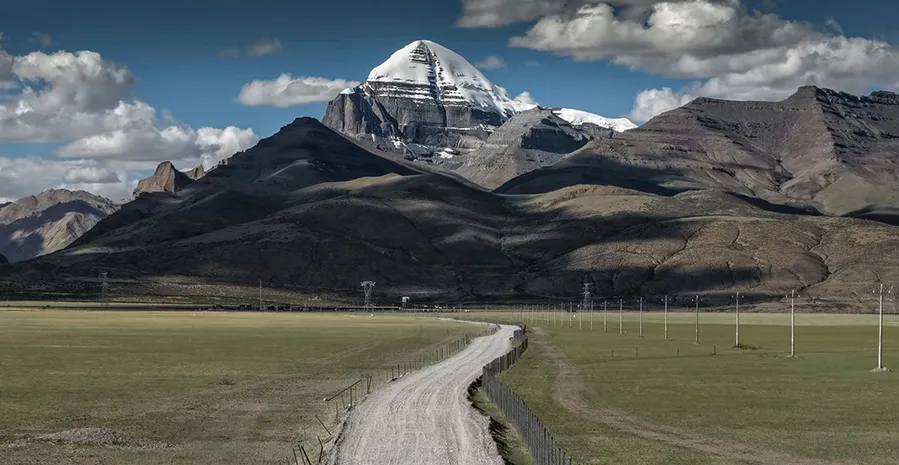
Everest Base Camp–Saga–Darchen: After the high-altitude lake views of Peiku Tso, the route enters the Ngari region. Lake Manasarovar and Mount Kailash are the highlights of this section. Darchen is the starting point for the kora and an important base for overnight stays.
Darchen–Zanda–Shiquanhe: Explore the Guge Kingdom ruins, Tholing Monastery and the Zanda Earth Forest, an area of striking eroded cliffs and formations.
Two options after Shiquanhe:
 |
 |
Cross-border extension with your own vehicle: Lhasa–Kashgar can also be part of a full cross-border journey. For example, a 30-day route: Laos → Mohan → Yunnan → Lhasa → Everest Base Camp → Mount Kailash and Zanda → Xinjiang → Kashgar → Irkeshtam → Kyrgyzstan.
How Is the 13-Day Lhasa–Kashgar Itinerary Arranged?
The following sample itinerary is based on our 13-day G219 self-drive route. It shows how the journey can be structured; availability and final arrangements must be confirmed for your travel dates.
| Day | Route and Main Arrangements |
| Day 1 | Arrive in Lhasa, rest and departure preparations |
| Day 2 | Sightseeing in Lhasa |
| Day 3 | Lhasa - Yamdrok Lake - Gyantse - Shigatse |
| Day 4 | Shigatse - Tingri - Everest Base Camp |
| Day 5 | Everest Base Camp - Peiku Tso - Saga |
| Day 6 | Saga -Lake Manasarovar area - Darchen |
| Day 7 | Darchen - Zanda, Guge Kingdom ruins and Tholing Monastery |
| Day 8 | Zanda - Shiquanhe, Zanda Earth Forest and ruins |
| Day 9 | Shiquanhe - Pangong Tso |
| Day 10 | Pangong Tso - Shahidulla |
| Day 11 | Shahidulla - Yecheng |
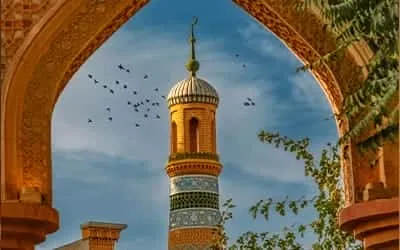
| Day 12 | Yecheng -Kashgar, city sightseeing |
| Day 13 | Depart from Kashgar |
The 13 days include arrival, sightseeing and departure, with several long driving days along the way. Allow extra time if you want more rest, photography stops or longer stays. A motorcycle itinerary should be planned around daily riding demands rather than assumed to follow the same schedule as a self-drive tour.
Does the Trip Include the Mount Kailash Kora?
It is important to distinguish three things: viewing Mount Kailash from a distance, staying overnight in Darchen, and completing the Mount Kailash kora. The kora involves multiple days of high-altitude trekking, including crossing the Dolma La Pass, and requires planning for the extra time and physical demands.
 |
The 13-day sample itinerary does not include a full kora. To add it, you will need time for trekking and rest, followed by an adjusted driving or riding schedule. Let us know before the itinerary is finalised so we can check the available options.
How Do You Finish the Trip in Kashgar?
1.Ending the trip in Kashgar: Confirm vehicle return, sightseeing and airport or railway station transfers. Book your onward flight or train with enough time for vehicle handover and the transfer.
2.Continuing cross-border with your own vehicle: On the 30-day cross-border itinerary, you reach Kashgar on Day 28, spend Day 29 sightseeing, and cross into Kyrgyzstan via Irkeshtam on Day 30. Plan this stage in advance, including where border formalities take place, vehicle exit procedures, border opening hours and your onward journey.
What Should You Expect on the Road, and How Do We Support You?
The journey from Lhasa to Kashgar includes remote stretches of western Tibet where high altitude, mountain roads and limited services can make some days more demanding than the distance on a map suggests. Knowing what to expect helps you plan realistic daily stages and prepare for conditions along the route.
The Challenges Along the Route
-
High altitude over several consecutive days
 |
Between Pangong Tso and Kashgar, the route crosses high mountain passes; it is not a continuous descent. Lake Manasarovar’s elevation refers to the lake surface, not your overnight accommodation. Confirm the altitude of your accommodation in Darchen separately.
This journey involves more than crossing a high mountain pass and descending again. You may spend several consecutive nights at high altitude, with long driving or riding days between overnight stops. Fatigue or feeling unwell can affect your concentration and ability to continue. Build rest into the itinerary and tell your guide promptly if you feel unwell.
-
Changing weather and road conditions
Sunshine can give way to strong winds, rain, snow or a sudden drop in temperature. Roadworks, uneven surfaces and temporary traffic controls can also slow progress. For motorcyclists, cold and wind exposure add to the physical demands, while wet or icy surfaces require particular caution. A day that looks straightforward on the itinerary may need a different pace on the road.
-
Long distances between services
On remote sections, you cannot assume that fuel, food, suitable accommodation or mobile coverage will be available whenever you need them. A missed fuel stop or an unexpected delay can affect the rest of the day. Mechanical problems also require more planning when workshops and replacement parts are far away.
-
Local communication and checkpoints
Checkpoints, document checks and accommodation arrangements require time and local communication. If you do not speak Chinese, dealing with these while managing a long driving or riding day can be demanding.
How We Prepare and Support Your Journey
-
A daily plan built around you
Before departure, we discuss your driving or riding experience, available time, preferred stops and any plans for the Mount Kailash kora. We then plan daily stages, fuel stops, accommodation and rest breaks around your needs, route conditions and the practical demands of each section.
-
A professional bilingual guide throughout
 |
Our guides accompany the entire journey, including both Tibet and Xinjiang. On self-drive tours, the guide travels in your vehicle and assists with navigation, local communication, checkpoints and coordination along the route. You drive the car while having someone beside you who understands the itinerary and can help with practical decisions.
-
A riding guide and support vehicle for motorcycle tours
 |
On motorcycle tours, a guide rides with the group and a support vehicle accompanies the journey. Before departure, we explain the support vehicle's role and the arrangements for luggage, mechanical problems or a rider who needs to stop, so you know what assistance is available.
-
Coordination when circumstances change
If weather, road conditions, a vehicle problem or a guest's health affects the journey, our team assesses the available options and helps coordinate the next steps. These may include changing departure times, breaks or overnight arrangements. Route changes depend on local access conditions and the required permits; health concerns may require medical assessment.
Drive or ride through western Tibet and into Xinjiang with a team that helps plan the daily stages and coordinate support along the way. Tell us your travel dates, group size and available days, whether you will use our vehicle or bring your own, and any plans for the Kailash kora or onward travel after Kashgar. We can then discuss a suitable itinerary and check availability.
Ask a Quick Question & Free Enquiry

If you have a WhatsApp, please feel free to scan our WhatsApp code.