 +86-13981905144
 inquiry@chinaroadtrip.org
Drive or ride G109 from Xining to Lhasa
Written by China Road Trip | Updated 2026-9-14

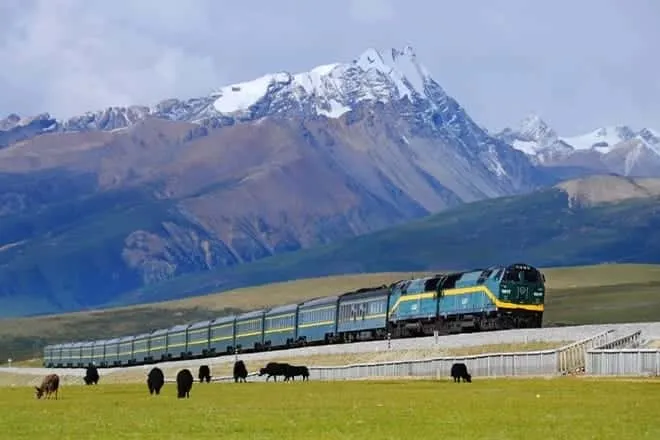
The Qinghai-Tibet Railway is famous for good reason — it crosses one of the highest rail corridors in the world. But the plateau is not just a view from a train window. The Qinghai-Tibet Highway, or G109, allows foreign travelers to drive or ride from Xining to Lhasa, passing Qinghai Lake, crossing the Hoh Xil and Tanggula regions, and continuing beyond Lhasa to Everest Base Camp.
Foreigner visitors can travel the Qinghai-Tibet Highway by car or motorcycle, but trips within the Tibet Autonomous Region must be arranged through a licensed travel agency. Before leaving Xining, you need a temporary Chinese driving permit, a Tibet Travel Permit, an approved vehicle arrangement, a confirmed itinerary and a guide. The itinerary should be planned around actual altitude, weather and road conditions.
Important for 2025–2028 travel: The Golmud–Nagqu section of G109 is undergoing a major 816 km reconstruction project that began in June 2025 and is scheduled to run through May 2028. Different sections are at different stages of work, and traffic arrangements change as the project progresses. See Section 5 for details.
- 1. Foreign travelers can drive G109, but travel within the Tibet Autonomous Region must be arranged by a licensed travel agency.
- 2. A foreign driver's license or International Driving Permit (IDP) alone does not allow you to drive legally in mainland China. You need a temporary Chinese driving permit.
- 3. The main route from Xining to Lhasa is about 1,900 km. Detours to Qinghai Lake or other stops change total mileage and the daily plan.
- 4. Much of the Golmud–Nagqu section runs above 4,000 m, with Tanggula Pass reaching about 5,231 m.
- 5. Major roadwork: G109 Golmud–Nagqu is under reconstruction from June 2025 to May 2028. Different sections are at different stages — some are complete, some have half-width traffic, and some use temporary access roads. Check current conditions before departure.
- 6. Road construction, weather and traffic controls change quickly. Recheck conditions before departure.
Can Foreign Travelers Drive or Ride the Qinghai-Tibet Highway?
Yes. Foreign visitors can travel G109, but not independently. Within the Tibet Autonomous Region, the itinerary, Tibet Travel Permit, guide arrangement and approved vehicle arrangement must be coordinated by a licensed travel agency. In Qinghai Province there are fewer restrictions, but distances between supply points are long, and the driving permit requirement makes local support important.
A foreign driver's license and IDP do not allow driving in mainland China. Drivers must apply for a temporary Chinese driving permit in advance. G109 suits travelers who have time, can adapt to sustained high altitude, and want the plateau route rather than the fastest way to Lhasa.
We can handle procedures, arrange vehicles and guides, and provide support along the way. We can also connect with Lhasa, Everest Base Camp and other Tibet trips.
Why Drive or Ride Instead of Taking the Train?
The Qinghai-Tibet Railway and G109 offer different experiences. The railway runs on a fixed schedule with fixed stops — you enjoy the scenery through the train windows and arrive in Lhasa without worrying about driving. Driving or riding G109 gives you control over where and when you stop along the approved itinerary, with closer access to Qinghai Lake, plateau towns and roadside viewpoints. After Lhasa, a self-drive or motorcycle trip can continue to Namtso Lake, Shigatse and Everest Base Camp, while the train journey ends in Lhasa.
Self-driving offers more flexibility for luggage and rest stops, making it convenient for families and small groups. Motorcycle travel is better suited to experienced riders looking for a more immersive high-altitude road experience. Riders need to hold a temporary permit that matches the motorcycle category shown on their foreign licence. You also need to prepare fuel range, warm gear and technical support.
Documents and Arrangements for Foreign Travelers
Foreign visitors cannot travel completely independently within the Tibet Autonomous Region. Before starting, contact a licensed local travel agency. You can drive yourself. Self-driving and motorcycle travel are both allowed, but the itinerary, vehicle, guide or support arrangement must be confirmed in advance. If road conditions or traffic controls change suddenly, the support team can adjust quickly.
Tibet Travel Permit (TTP)
 |
Foreign visitors entering the Tibet Autonomous Region need a Tibet Travel Permit through a licensed travel agency. Application materials usually include a passport copy, proof of legal entry into China, and a confirmed approved itinerary. The permit must match the established route. The travel plan should be determined at least one month in advance. Travel to areas outside central Tibet requires additional approval and longer processing time.
Additional border area permits
To travel from Lhasa to Everest Base Camp, Ngari or border areas, you need additional permits beyond the basic Tibet Travel Permit. Determine the complete route early and apply for all required documents at the same time.
Temporary Chinese driving permit
 |
Foreign visitors need a temporary Chinese driving permit. The application can be made in person at the vehicle management office in the relevant city. Alternatively, a licensed travel agency can assist with document preparation, translation, appointment scheduling and submission on your behalf. The permit itself is issued by the local traffic authority — a travel agency can coordinate the process but cannot complete it remotely before you arrive. Regular materials: passport, legal entry/residence proof, original foreign driver's license, and a certified Chinese translation. Requirements and processing locations vary by city and application type. Confirm the processing city and full document list with the travel agency before arrival.
Renting a Vehicle in China vs Bringing Your Own
- Renting a vehicle in China
For a self-drive trip to Tibet, foreign travelers generally need to use a compliant rental vehicle arranged and registered through the travel agency. In non-controlled areas of mainland China, holders of a temporary Chinese driving permit can drive registered rental vehicles. If you are renting, confirm with the rental company that they accept foreign drivers with a temporary permit.
Our travel agency can provide the following vehicles:
- Self-drive vehicle options include:TANK 300 / VOYAH Dreamer / DENZA D9
- Motorcycle options include:CFMOTO series (450, 800) / KOVE series (525, 625) / BMW Motorrad (F 750 GS, F 850 GS, and other models)
 |
- Bringing your own foreign-registered vehicle
You may also bring your own foreign-registered vehicle, but this requires a separate approval process, including temporary vehicle import procedures, customs clearance, inspection, temporary Chinese plates and insurance. The driver and vehicle information must also be reported by the travel agency and included in the approved itinerary.
Qinghai Tibet Highway at a Glance
| Item | Key information |
| Main road | G109 Qinghai-Tibet Highway |
| Core route | Xining-Golmud-Tuotuo River-Nagqu-Lhasa |
| Route distance | Roughly 1,900 km on the direct corridor, longer when Qinghai Lake is included |
| Highest point | Tanggula Pass, approximately 5,231 m |
| Best for | Long-distance self-drive and motorcycle journeys across the high plateau |
| Main challenges | Sustained altitude, remote stretches, weather, construction and limited services |
| Vehicle recommendation | A high-clearance SUV is preferred; motorcycles need reliable range and luggage capacity |
| Tibet requirements | Tibet Travel Permit, Chinese temporary driving permit, agency-arranged itinerary and guide support |
The G109 Route from Xining to Lhasa
The main G109 route runs from Xining through Golmud, the Kunlun Mountains, Hoh Xil, Tuotuo River, Tanggula Pass, Nagqu and Lhasa. If you detour to Qinghai Lake or Namtso Lake, or change route due to construction, actual driving distance varies.
Xining to Golmud: Get ready and adapt to the plateau
Xining is a good starting point. Here you can inspect equipment, fill fuel and buy supplies. The 11-day itinerary includes a stop at Qinghai Lake. Golmud is the last big city before the remote plateau — and the gateway to the reconstruction zone. Check tires and coolant, confirm fuel range, and prepare warm clothes and communication equipment.
 |
 |
Golmud to Tuotuo River: Enter the high plateau and the construction zone
This is where the reconstruction project begins. You pass through Kunlun Pass and Hoh Xil. Depending on the current phase of works, you may encounter half-width construction sections or temporary access roads. Day-night temperature differences are extreme. Mild altitude sickness may appear here for the first time. Don't rush — and don't expect to maintain normal highway speeds. Some construction surfaces can be rough, dusty in dry weather or muddy after rain.
 |
 |
Tuotuo River to Nagqu: Tanggula and sustained altitude through the works
This is not just one high pass. The entire route stays at very high altitude for a long time, including Tanggula Pass at about 5,231 m — and it runs through the section most affected by the reconstruction. Cold, strong winds, fatigue, sudden rain or snow, and construction traffic all make the actual difficulty far greater than mileage figures suggest. Control driving hours. Don't stick to a set mileage target when conditions are poor.
 |
Nagqu to Lhasa: Leaving the construction zone
From Nagqu, you exit the main reconstruction section. Road conditions and services gradually improve toward Lhasa. A trip to Namtso Lake needs advance arrangement. After arriving in Lhasa (about 3,650 m), set aside time to rest and acclimatize before heading to more remote, higher-altitude destinations.
 |
Road Conditions and Driving Risks on G109
Road condition note: G109 has undergone large-scale upgrades in recent years, and the Golmud–Nagqu section is now in the middle of a three-year reconstruction project (June 2025–May 2028). Different sections are at different stages — some have been completed, some have half-width traffic, and some use temporary access roads. The original construction traffic plan included about 617 km of new 7.5-metre-wide temporary access roads, but the actual sections in use change as the project progresses. Before and during the journey, repeatedly verify the latest road conditions and weather.
Paved roads do not mean easy driving — especially now
Most of G109 is paved, but that doesn't mean the whole journey is easy. With the Golmud–Nagqu reconstruction underway, you may encounter construction zones, half-width sections, temporary detours, dense large trucks, potholes and dust. Some construction surfaces can be rough, dusty or muddy. Conditions can change significantly within just a few days.
 |
Is an SUV necessary?
Under normal conditions, a regular sedan can travel most sections of G109, but an SUV with higher ground clearance is strongly recommended — and during the reconstruction period, it is even more important. On temporary access roads, damaged surfaces and construction sections, higher ground clearance provides better clearance and gives drivers more room for error. However, compared with simply choosing a large model, the condition of the vehicle itself is more important. Before departure, carefully inspect tires, brakes and overall condition. Also ensure the vehicle has enough fuel range for remote plateau sections, especially where delays around construction zones may extend driving time.
Avoid driving at night
Long-distance night driving on G109 is not recommended. Construction zones, temporary access roads and detours are harder to navigate after dark. Some sections have limited lighting and may have large trucks, wild animals and sudden weather changes. High altitude also increases driving fatigue, affecting attention and reaction speed. Plan to reach the day's accommodation before dark — especially important now that construction can slow the pace of travel. Note that some sections have night-time full closures for construction, such as the Amdo–Nagqu stretch from June to September 2026.
Confirm real-time traffic conditions in advance
Download an offline map before departure. Mobile phone signal and network coverage in some remote sections are unstable, so you cannot rely entirely on online navigation. For international travelers driving G109, travel agencies should confirm the latest road traffic, construction and weather before departure. The construction traffic plan includes a main route along G109 and an alternative route via Gonghe, Yushu, Zadoi and Baqing — a much longer detour through eastern Qinghai and northern Tibet, not a local detour. Your agency should know which routing applies on your travel dates. During the journey, check the next day's road conditions and adjust the itinerary according to actual conditions.
Altitude, Weather and Safety Preparations
The real challenges of G109 are not only the road itself, but also long hours of driving at high altitude, rapidly changing weather, and limited supply and communication in remote areas. Your guide, in addition to handling the itinerary and related procedures, will also help watch for signs of altitude-related problems, confirm weather and road information, and coordinate accommodation, vehicles and medical care in emergencies.
Spending several days at high altitude is one of the main challenges
Much of the Golmud–Nagqu section runs above 4,000 m, with Tanggula Pass reaching about 5,231 m. Compared with crossing a mountain pass in a short time, driving and staying at high altitude for several consecutive days places higher demands on the body's adaptability. The itinerary should not be too tight. Reserve enough time for acclimatization and rest.
 |
Warning signs of severe altitude sickness
Mild headaches, fatigue or poor sleep are not uncommon when first entering high-altitude areas. However, if symptoms continue to worsen after rest — especially severe headaches, breathing difficulties at rest, confusion, loss of coordination or repeated vomiting — do not continue to higher elevations. Depending on the severity of the symptoms, descend to a lower altitude as soon as possible and seek medical attention.
Vehicle and emergency supplies
Before departure, check tires, brakes and overall vehicle condition, and prepare a spare tire, tire repair tools and an air pump. Also prepare enough drinking water, high-calorie food and warm clothing in the vehicle for traffic jams, construction delays, weather changes or temporary stops.
Prepare offline maps, power banks or charging cables, basic first aid supplies and common personal medications in advance. Portable oxygen can be used as an auxiliary emergency supply for high-altitude travel, but if severe altitude sickness has already occurred, oxygen inhalation cannot replace timely descent and professional medical assistance.
Fuel, communication and support along the way
Some sections of G109 are long and sparsely populated, so don't wait until the fuel level drops to look for a gas station. Before departure each day, confirm refueling points, accommodation and main supply positions for the day, and reserve a margin for delays caused by construction, traffic congestion or weather. During the reconstruction period, fuel stops and service points may be further apart than usual.
Mobile phone signals and network coverage in remote plateau areas may be unstable. Download offline maps in advance and prepare a reliable charging plan. Your guide will help confirm weather, road conditions, refueling and accommodation for the next route before departure each day. If roads are closed, the vehicle breaks down, or a traveler becomes unwell, local resources can be contacted in a timely manner and assistance provided to adjust the subsequent itinerary.
Best Time to Drive or Ride the Qinghai-Tibet Highway
May to June: Weather is generally improving, but snow and cold conditions can still occur at high altitudes. Road control and construction schedules need to be confirmed before departure.
July to September: The most popular travel period. Temperatures are higher, but rain and snow are still possible at high altitude. Road construction and temporary traffic control continue during this period.
October through April: Cold temperatures, snow and ice are common. Many sections become more difficult and less predictable. This period is generally not recommended for first-time high-altitude self-drive travelers.
A note on 2026: Because the Golmud–Nagqu reconstruction runs through May 2028, construction activity continues year-round, including during the main travel season. Some sections have night-time full closures. Plan for longer driving days and be prepared for schedule changes regardless of which month you travel.
Classic 11-day Qinghai-Tibet Highway Self-drive or Motorcycle Itinerary
This classic 11-day journey follows the Qinghai–Tibet Highway from Xining to Lhasa, then continues through central Tibet to Everest Base Camp. It can be arranged as a self-drive SUV journey or a guided motorcycle tour for qualified foreign riders.
| Day | Route | Highlights |
| 1 | Arrive in Xining | Meet the team, check documents, receive a vehicle or motorcycle briefing, and rest before the plateau journey. |
| 2 | Xining-Qinghai Lake-Golmud | Qinghai Lake scenery, grassland landscapes and final vehicle preparation in Golmud. |
| 3 | Golmud-Tuotuo River | Enter the high plateau through the Kunlun and Hoh Xil area and stay near the Yangtze source region. |
| 4 | Tuotuo River-Nagqu | Cross the Tanggula area and experience sustained high-altitude driving before reaching northern Tibetan grasslands. |
| 5 | Nagqu-Namtso Lake-Lhasa | Visit Namtso Lake, then continue to Lhasa for rest and acclimatization. |
| 6 | Lhasa sightseeing | Visit the Potala Palace, Jokhang Temple and Barkhor Street. |
| 7 | Lhasa-Yamdrok Lake-Gyantse-Shigatse | Yamdrok Lake, Karola Glacier and Gyantse landscapes. |
| 8 | Shigatse-Tingri-Everest Base Camp | Ryawu La viewpoint, Himalayan panorama and return to Shigatse. |
| 9 | Everest Base Camp-Dinggye-Shigatse | Rongbuk Monasterym, Everest viewpoints and return to Shigatse. |
| 10 | Shigatse-Lhasa | Visit Tashilhunpo Monastery, then follow the Yarlung Tsangpo Valley back to Lhasa. |
| 11 | Depart from Lhasa | Airport or railway-station transfer. |
This itinerary is designed for travelers who want more than a train journey to Lhasa. It combines the Qinghai-Tibet Highway’s open plateau, a self-drive or motorcycle experience, central Tibetan culture and Everest Base Camp in one complete journey. China Road Trip can arrange the Tibet Travel Permit, temporary Chinese driving permit, insured SUV or motorcycle, guide and road support according to your dates and driving or riding experience.
See the detailed day-by-day route: 11-Day Qinghai-Tibet Sky Road Self-Drive
How We Support Your Qinghai–Tibet Self-Drive Journey
- √ Designing daily distances that account for altitude, road conditions and vehicle range.
- √ Coordinating the Tibet Travel Permit and entry documentation.
- √ Supporting the temporary Chinese driving-permit application in the city that suits the route.
- √ Arranging insured rental vehicles, motorcycles, guides and technical road support.
- √ Providing route, weather and risk updates before and during departure.
- √ Connecting the G109 journey with Lhasa, Everest Base Camp, Ngari, Chengdu or Kunming routes.
Tell us your travel dates, group size and preferred vehicle type, and we will confirm the current permit, vehicle and road-condition arrangements for your route.
FAQs
- Can foreigners drive the Qinghai–Tibet Highway?
Yes. A Chinese temporary driving permit is required, and the Tibet Autonomous Region section must be arranged through a licensed travel agency with an approved itinerary and guide support.
- Can I use an IDP on G109?
No. An International Driving Permit is not valid in mainland China. Obtain a Chinese temporary driving permit in person before driving .
- Do I need a Tibet Travel Permit when driving from Qinghai to Lhasa?
Yes. The permit is required for foreign travellers entering Tibet by road, rail or air and must be arranged in advance through a licensed agency .
- Is an SUV necessary?
It is strongly recommended, though not always legally mandatory. A high-clearance SUV provides more margin for temporary roads and changing conditions than a sedan.
- Can I bring my own foreign-registered vehicle?
Yes, but it requires temporary importation, customs clearance, inspection, a Chinese temporary licence plate and Chinese insurance in addition to the driving permit. Renting locally is simpler for most travellers.
- Can I continue to Everest Base Camp after G109?
Yes. Our 11-day Qinghai–Tibet Sky Road Self-Drive continues from Lhasa to Everest Base Camp. Additional days and route-specific permits must be arranged in advance.
Ask a Quick Question & Free Enquiry

If you have a WhatsApp, please feel free to scan our WhatsApp code.