 +86-13981905144
 inquiry@chinaroadtrip.org
Routes, entry and exit arrangements, and practical preparation
Written by China Road Trip | Updated 2026-10-12

Would you like to travel overland across China in your own car or motorcycle? Starting from Europe, the Middle East, Central Asia, Southeast Asia or elsewhere, you can drive past the vast deserts of Xinjiang, explore ancient towns in Yunnan’s river valleys, and reach the snow‑capped peaks and high‑altitude lakes of Tibet (Xizang) before continuing onward to your next country. The China segment can add rich landscapes and experiences to your long‑distance overland journey.
How do you fit China into your international itinerary? This guide will help you plan entry and exit points, choose your route, set a realistic timeline, prepare personal and vehicle documentation, and understand practical considerations along the way.
Can You Travel Overland Through China with Your Own Vehicle?
Yes. International travellers may arrange to bring their own car or motorcycle into China and integrate the China segment into an overland cross‑border trip. Feasibility and requirements depend on your nationality, vehicle registration country, ports of entry and exit, travel dates, and planned route.
For the overland journeys described in this guide, foreign travellers bringing their own vehicles into China need to arrange the China section through a licensed Chinese travel agency. The agency coordinates the reception plan, entry and exit procedures and required arrangements, with a guide accompanying the journey. Travellers still need to provide personal and vehicle documents and attend the required formalities in person.
The general process is: identify your entry and exit points and route; submit personal and vehicle documentation; coordinate required approvals; complete formalities for temporary vehicle entry and driving permission; travel in China along your approved itinerary; and arrange vehicle exit formalities. Key requirements include a vehicle entry document, temporary Chinese vehicle licence plates and a temporary vehicle registration certificate, temporary driving permit, China’s mandatory Compulsory Traffic Insurance, and travel permits for certain areas. Section 4 covers documentation in more detail.
Plan Your Entry and Exit Points
Before building your itinerary, we suggest clarifying four basic points: the country you are travelling from before entering China, the country you intend to go to after leaving China, how much time you have for the China segment, and whether you wish to include Tibet.
This guide focuses on three overland connection directions: Xinjiang, Yunnan, and the Nepal‑Tibet corridor. Exact combinations depend on entry‑exit arrangements, available time, and route feasibility.
 |
-
Xinjiang land routes
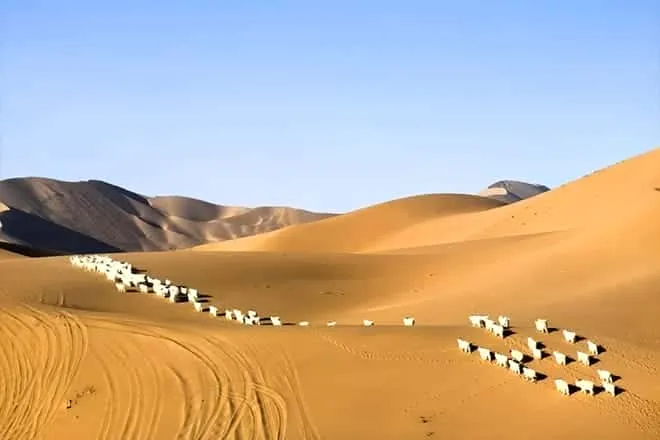
Xinjiang’s land ports connect with road networks in several Central Asian countries. These routes work for journeys entering China from Central Asia, or exiting China toward Central Asia. You can include Xinjiang’s Silk Road towns, deserts and mountain stretches in your overland plan. Port rules and vehicle entry arrangements must be confirmed in advance for your travel window and route.
 |
-
Yunnan land routes
Yunnan links well with overland travel in Southeast Asia. Entering or exiting via Laos is the main direction covered here. You can weave Yunnan’s old towns and river‑valley stops into your journey, then continue toward Tibet, Xinjiang or other regions as time and route allow. Port and vehicle access arrangements need to be confirmed beforehand.
 |
-
Nepal‑Tibet land routes
The Nepal–Tibet corridor may be considered for future overland planning. As of 12 October 2026, we have not confirmed the reopening of the Gyirong–Rasuwagadhi crossing to foreign tourists travelling with their own vehicles following the August disaster. Do not plan this crossing as an available entry or exit point until access has been confirmed for your travel dates and vehicle.
Based on your wider itinerary, vehicle details and travel window, we can help you compare suitable ports and walk you through the procedural requirements at each stage.
Choose Your Route and Allow Enough Time
Southwest and northwest China’s overland corridors can be combined in different ways, subject to entry‑exit points, available time and feasibility. Below are the main route directions covered in this guide, with reference timelines from our existing itineraries to help you plan for travel, formalities and contingency.
-
Yunnan–Tibet–Xinjiang: Travelling in Either Direction
This corridor connects Southeast Asia and Central Asia, passing through varied landscapes across Yunnan, Tibet and Xinjiang.
- • Forward: enter via Southeast Asia → Yunnan → Tibet → exit from Xinjiang
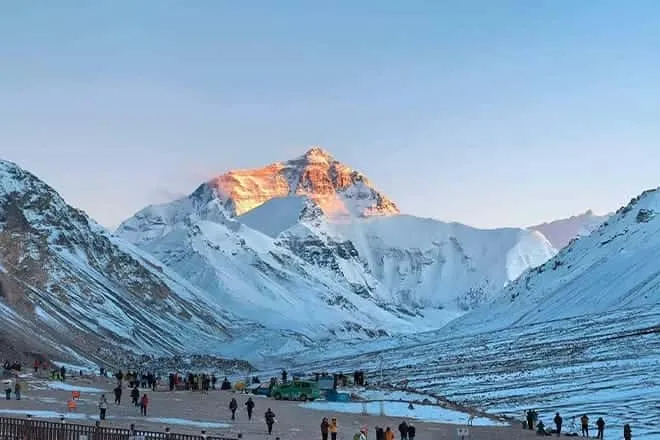
The route takes in Yunnan’s river valleys and cultural sites, Tibet’s high lakes and snow peaks, and Xinjiang’s desert and Silk Road towns. It suits longer journeys extending north‑west from Southeast Asia toward continental Eurasia.
 |
- • Reverse: enter via Xinjiang → Tibet → Yunnan → exit toward Southeast Asia
The scenery is largely the same. Travelling in the opposite direction changes the order in which you reach high‑altitude areas and the timing of each stage. Daily distances, overnight stops and rest days should therefore be planned for your direction of travel.
If you plan to enter China from Southeast Asia, then travel through Yunnan, Tibet and Xinjiang toward Central Asia, these segments must be integrated into one coherent journey — do not simply add the separate segment durations together. When planning, check whether quoted days cover port formalities, driving permit processing and rest days, and build in buffer time for weather, road conditions or procedural delays.
-
Nepal–Tibet–Xinjiang / Xinjiang–Tibet–Nepal: Subject to Border Reopening
This corridor offers a potential connection between Central Asia and Nepal through Xinjiang and Tibet. You may travel from Xinjiang through Tibet toward Nepal, or enter from Nepal and continue through Tibet to Xinjiang before heading into Central Asia.
Travel in either direction depends on confirmed border access and permission for your vehicle to cross. Before including this connection in your itinerary, contact us to check whether it can be arranged for your travel dates and direction of travel.
- 17-Day Nepal-Kazakhstan Silk Road Moto Tour
- 17-Day Silk Road Off-Road Expedition: Himalayas to Central Asia
- 16-Day Silk Road Kazakhstan-Nepal Journey
- 16-Day Silk Road Kazakhstan-Nepal Motorcycle Journey
We can plan daily driving or riding distances, overnight stops and rest days around your available time, entry and exit countries, experience and season. The order in which you reach high-altitude areas differs by direction, so acclimatisation and pacing need to be planned accordingly. We check route and regional access feasibility before you confirm your trip.
Prepare Your Documents, Permits and Vehicle Arrangements
This section explains which personal and vehicle documents you need to provide, and which translations, permits and formalities we help arrange.
-
Personal documentation and driving arrangements
Items you will need to arrange:
- • A valid passport and the appropriate visa or entry status for China;
- • A valid overseas driving licence with a category matching the vehicle you intend to drive or ride;
- • Recent passport‑style photographs, as required for the application;
- • Proof you meet minimum age and physical fitness requirements for driving, as defined by Chinese authorities.
We arrange the Chinese translation of your overseas driving licence. Please provide a clear copy; we will confirm which original documents you need to bring for the application.
You will also need to apply for a temporary driving permit valid for your vehicle category. We can coordinate the process; you supply the required documents and complete formalities in person as instructed.
 |
-
Vehicle documentation and entry formalities
For your vehicle:
- • Vehicle registration papers and official road‑safety inspection certificates;
- • If the vehicle is not registered in your name, confirm requirements for authorisation to use it;
- • Mandatory approvals: vehicle entry documentation and temporary Chinese vehicle licence plates and a temporary vehicle registration certificate;
- • China Compulsory Traffic Insurance is required. Supplementary travel or vehicle insurance is optional; confirm policy coverage for the route before buying;
We also arrange Chinese translations of vehicle documents where required. Please provide clear copies of the relevant registration and inspection documents.
If your itinerary includes the Tibet Autonomous Region, the required Tibet travel permits must be arranged in advance. Additional permits or approvals may be needed for specific border areas and routes. You must follow the authorised route and stay within the permitted areas.
 |
Final requirements are set by the relevant port and government bodies. We can supply a document checklist, support coordination, and help with pre‑exit notifications.
-
Pre‑departure vehicle checks and preparation
Service and inspect your vehicle to cope with mountain, plateau and desert conditions:
- • Complete a full service; pay special attention to brakes, lights, fuel and electrics;
- • Check tyre condition and decide whether new tyres are appropriate for your vehicle and route;
- • Carry basic hand‑tools and common spare parts;
- • Plan fuel stops based on your vehicle’s range and known filling‑station locations. If you are considering carrying extra fuel, confirm local rules and practical options in advance; carrying spare fuel without prior clearance is not recommended;
- • Load luggage sensibly for weight and balance to keep the vehicle stable.
Practical Considerations on the Road
Road quality, supply points and climate can vary widely across China’s overland corridors. Careful planning for daily travel, resupply, accommodation and communications helps you manage real‑world driving or riding challenges.
-
Setting a sustainable daily rhythm
Mountain and high‑altitude stretches are not suited to non‑stop long‑distance travel. Balance driving time, sightseeing, vehicle checks and rest. Spacing out mileage and scheduling regular breaks helps reduce fatigue.
-
Fuel, supplies, repairs and motorbike support
Supply points can be sparse in remote plateau areas. Map out reliable fuel stations, villages and repair shops ahead of time to minimise resupply risks.
Our motorcycle tours include a support vehicle for agreed luggage transport and assistance on the road. We confirm luggage limits and the specific support arrangements before departure.
-
Accommodation and vehicle parking
Accommodation standards vary across smaller towns and remote areas. We can help arrange suitable overnight stops and confirm parking conditions in advance, so you can plan vehicle parking and luggage storage.
-
Language and navigation
A bilingual guide accompanies you throughout the China section, helping with border formalities, local communication, accommodation coordination and changes during the journey. Before departure, we also confirm navigation and communication arrangements for remote sections.
-
Weather and high‑altitude awareness
Conditions in Tibet and high‑elevation zones can shift rapidly. We monitor weather and road updates and can advise schedule adjustments for rain, cold snaps or temporary closures, plus practical guidance for acclimatisation.
Custom Itinerary Consultation
If you would like us to outline a possible itinerary, please send: your nationality; the country where your vehicle is registered and its type; your intended travel dates; the countries immediately before and after China on your route; and the regions you hope to visit inside China. We can then propose a tailored outline and a checklist for paperwork and logistics.
Ask a Quick Question & Free Enquiry

If you have a WhatsApp, please feel free to scan our WhatsApp code.