 +86-13981905144
 inquiry@chinaroadtrip.org
Will Altitude Sickness Ruin Your Tibet Trip?
Written by China Road Trip | Updated 2026-8-14

For many travelers, Tibet is a dream destination — a place where the Potala Palace rises against a clear blue sky, prayer flags flutter in the wind, and the Himalayas watch over centuries-old Tibetan culture. It is a journey that inspires curiosity and wonder. But before turning this dream into reality, many travelers face the same concern: altitude. First-time visitors often ask: Will I get altitude sickness? Will I be able to complete my trip? Is Tibet too challenging for me?
These concerns are completely understandable. Tibet is one of the highest travel destinations in the world, with Lhasa at around 3,650 meters (12,100 feet) above sea level and Everest Base Camp at around 5,200 meters (17,060 feet). At such elevations, the lower air pressure means your body receives less oxygen than it does at sea level.
However, altitude sickness does not mean you have to give up your Tibet journey. It is a challenge that can be managed with proper preparation, gradual acclimatization, and a well-planned itinerary. With the right approach, exploring the “Roof of the World” can become a safe and unforgettable experience.
Understanding Altitude Sickness in Tibet
- What Is Altitude Sickness?
Altitude sickness, medically known as Acute Mountain Sickness (AMS), occurs when your body is exposed to a high-altitude environment with lower oxygen levels. At higher elevations, reduced air pressure means your body receives less oxygen with each breath. Your body needs time to adjust through changes in breathing, circulation, and oxygen use.
- Why Does Tibet Trigger It?
Much of Tibet is located above 3,500 meters (11,480 feet), which means visitors may experience the effects of high altitude shortly after arrival. The lower air pressure at these elevations makes it more challenging for the body to get the same amount of oxygen as it does at sea level.
 |
- Common Mild Symptoms:
- Headache — usually mild and manageableTiredness and fatigue
- Shortness of breath during physical activity
- Difficulty sleeping or temporary insomnia
These symptoms are usually temporary and often improve as your body gradually adapts to the altitude.
- The Key Takeaway
Everyone reacts differently to high altitude. Age, gender, and fitness level are not reliable predictors of who will experience altitude sickness. Some travelers may notice symptoms within hours, while others may feel little difference.
The important thing is this: with proper pacing, enough rest, and a well-designed itinerary, most travelers can continue their Tibet journey comfortably. Altitude sickness is something to manage—not something to fear.
Common Concerns About Altitude Sickness in Tibet
For many first-time visitors, altitude is one of the biggest concerns when planning a Tibet trip. However, altitude sickness does not mean Tibet is out of reach. With proper preparation and a suitable travel plan, most travelers can explore Tibet with greater confidence.
- Altitude Sickness Does Not Mean You Cannot Visit Tibet
Many travelers worry that altitude sickness will prevent them from completing their Tibet journey. However, high altitude does not affect everyone in the same way. While some visitors may experience mild discomfort during the first days, many people gradually adapt as their bodies adjust to the environment. The key is not avoiding Tibet, but giving your body enough time to acclimatize. A comfortable pace and proper preparation can make the adjustment process much easier.
- Tibet Is Not Only for Experienced Adventurers
Because of its high elevations and remote landscapes, Tibet may seem like a destination only for experienced travelers or outdoor enthusiasts. However, visiting Tibet does not require you to be a mountaineer. With a suitable route, enough rest time, and thoughtful planning, many international visitors successfully experience Tibet every year. The journey may be challenging, but it is also accessible with the right approach.
- The Real Challenge Is Preparation, Not Altitude Itself
Altitude should be taken seriously, but it should not become a reason to cancel your Tibet dream. The biggest difference comes from how well you prepare before and during your journey. Choosing a gradual itinerary, allowing enough time for acclimatization, and having reliable local support can help you manage altitude challenges more comfortably. For international travelers, visiting Tibet also requires advance arrangements, including travel permits and transportation planning. Professional local travel services can provide guidance throughout the journey, helping visitors focus on enjoying the landscapes, culture, and experiences Tibet offers.
 |
Understanding altitude sickness is the first step, but preparation is what truly makes a difference. From getting your body ready before departure to choosing the right itinerary and packing essential items, the following steps will help you enjoy a safer and more comfortable Tibet journey.
How to Prepare for Altitude Sickness Before Your Tibet Trip
Proper preparation is one of the most important factors in making your Tibet journey more comfortable. Before departure, focus on three key areas: preparing your body, choosing the right itinerary, and packing the right essentials.
1. Prepare Your Body Before Departure
Your physical condition before arrival can influence how comfortably your body adapts to the altitude.
- Get enough rest before your trip — Maintain a regular sleep schedule and avoid arriving in Tibet already exhausted.
- Avoid excessive physical stress — There is no need to push yourself with intense training before your journey. Staying healthy and well-rested is more important than extreme fitness preparation.
- Check your health condition if necessary — Travelers with existing heart, lung, or other serious health conditions should consult a doctor before visiting Tibet. Medical advice can help you understand whether additional precautions are needed.
2. Choose a Gradual Tibet Itinerary
Acclimatization takes time. One of the most effective ways to reduce altitude-related discomfort is allowing your body to adjust gradually instead of moving too quickly to higher elevations. A comfortable Tibet itinerary usually includes:
- 1. Spending your first few days in Lhasa (3,650m) to allow your body to adapt
- 2. Including enough rest time before visiting higher-altitude destinations
- 3. Avoiding sudden increases in sleeping altitude whenever possible
A popular gradual route is:
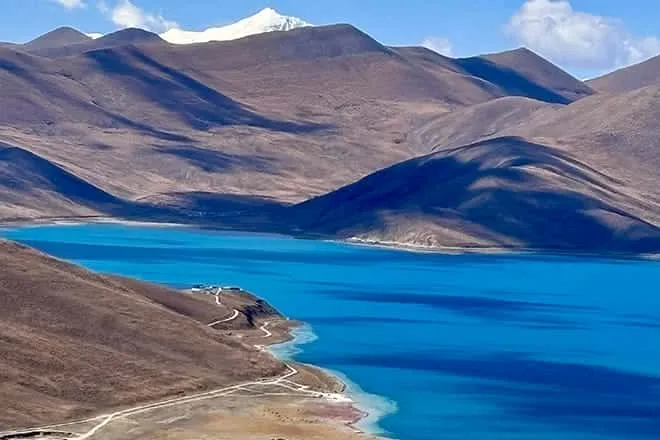
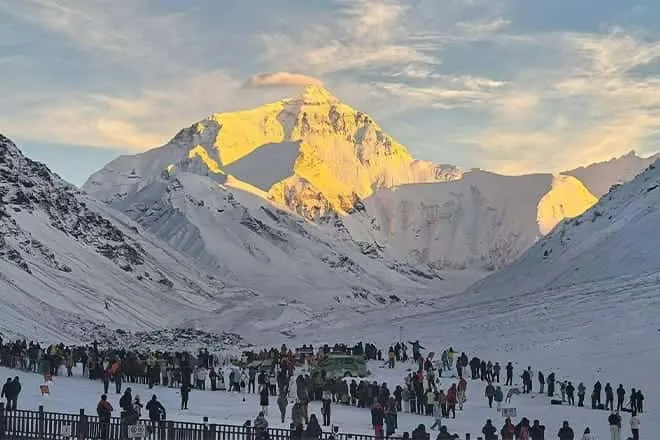
Lhasa – Yamdrotso Lake – Everest Base Camp
 |
- Lhasa—Potala Place
 |
- Yamdrotso Lake
 |
- Everest Base Camp
This step-by-step route allows travelers to experience Tibet’s highlights while giving their bodies time to adjust along the way. For first-time visitors, a carefully planned itinerary can make a significant difference. Experienced travel planners understand how to balance sightseeing, altitude, transportation, and rest time to create a more comfortable journey.
3. Pack the Right Essentials
Preparing the right items can greatly improve your comfort during a Tibet trip. Consider bringing:
 |
- Warm clothing — Thermal layers, fleece jackets, windproof outerwear, hats, and gloves for changing temperatures and cold evenings.
- Sun protection — SPF 50+ sunscreen, UV-protection sunglasses, and lip balm due to the strong sunlight at high altitude.
- Personal medication — Regular prescriptions and any personal medicines you may need during your journey.
- Water bottle or thermos — Staying hydrated is an important part of high-altitude travel.
- Daily travel supplies — Moisturizer, wet wipes, and other personal necessities for Tibet’s dry climate.
Your First 48 Hours in Tibet: How to Adapt Better
The first two days after arriving in Tibet are an important adjustment period. Instead of rushing to explore, giving your body time to adapt can help you enjoy the rest of your journey more comfortably.
What to Do
- a.Rest after arrival — Keep your first day relaxed and avoid planning a busy sightseeing schedule. Allow your body time to adjust to the new environment.
- b.Stay hydrated — Drink water regularly throughout the day. Staying hydrated can help you feel more comfortable during the adjustment period.
- c.Eat simple, balanced meals — Choose easy-to-digest foods and maintain regular meals. Carbohydrates such as noodles, rice, and bread can provide energy while your body adapts.
- d.Keep activities light — Gentle walking is fine, but avoid strenuous exercise or rushing around during the first days.
What to Avoid
- a.Intense physical activity — Avoid heavy exercise, long walks, or exhausting yourself immediately after arrival.
- b.Alcohol — Alcohol can affect hydration and may make altitude discomfort feel worse.
- c.Overpacked schedules — Do not try to visit too many attractions right away. A slower start often leads to a better overall experience.
Remember: Tibet will still be there tomorrow. Giving yourself time to adapt in the beginning allows you to enjoy the landscapes, culture, and experiences ahead with more energy and confidence.
Practical Tips for a More Comfortable Tibet Experience
Beyond altitude preparation, small travel habits can make your Tibet journey smoother and more enjoyable.
- Follow Local Advice
Your local guide has valuable experience with the region, including weather conditions, road situations, and travel pace. Their advice can help you make better decisions throughout the journey.
- Communicate Openly With Your Guide
If you feel uncomfortable during the trip, let your guide know as soon as possible. Sharing how you feel allows your travel team to provide support and make adjustments when needed.
- Stay Flexible With Your Schedule
High-altitude travel can sometimes require small changes. Weather conditions, road situations, or your own physical condition may affect the original plan. A flexible attitude can help you enjoy the journey more.
- Prepare for Changing Weather Conditions
The Tibetan Plateau has strong sunlight, dry air, and large temperature differences between day and night. Dressing in layers and preparing suitable clothing can make outdoor activities much more comfortable.
For first-time visitors, experienced local guides and well-organized travel services can provide valuable support throughout the journey. From daily schedule adjustments to transportation arrangements and local advice, professional support allows travelers to focus on enjoying Tibet’s landscapes, culture, and unique experiences.
 |
Prepare Well, and Tibet Is Worth Visiting
Altitude sickness is a real consideration when traveling to Tibet, but it should not stop you from experiencing one of the world’s most extraordinary destinations. The key is simple: prepare properly, choose a comfortable pace, and give your body enough time to adapt.
With thoughtful planning and reliable local support, travelers from around the world can experience Tibet’s breathtaking landscapes, ancient monasteries, and unique culture with greater confidence. For international visitors, professional travel services can also make the journey easier by helping arrange essential details such as Tibet Travel Permits, transportation, accommodations, and local guidance.
Tibet is a challenging destination, but it is also an unforgettable one. Prepare well, travel wisely, and your journey to the “Roof of the World” can become an experience you will remember for a lifetime.
FAQ About Altitude Sickness in Tibet
Can elderly travelers visit Tibet?
Yes, many older travelers visit Tibet successfully with proper preparation. However, they should choose a slower-paced itinerary, allow more time for acclimatization, and avoid overly demanding activities. Travelers with existing health conditions should consult a doctor before planning their trip.
Can children visit Tibet?
Children can visit Tibet with careful planning, but parents should consider their child’s age, health condition, and ability to communicate discomfort. A slower itinerary, sufficient rest time, and close attention from parents can help make the journey more comfortable.
Do I need medicine for altitude sickness?
Medication is not required for every traveler. If you are considering altitude sickness medication, consult a healthcare professional before your trip. Medications such as acetazolamide (Diamox) may be suitable for some travelers, but whether they are appropriate depends on individual health conditions and medical advice.
Ask a Quick Question & Free Enquiry

If you have a WhatsApp, please feel free to scan our WhatsApp code.