 +86-13981905144
 inquiry@chinaroadtrip.org
China car rental rules and Tibet self-drive permits
Written by China Road Trip | Updated 2026-9-17

Yes. Foreign visitors can rent and drive vehicles in most parts of China, but they must meet one of two core conditions: holding a valid full Chinese driver’s license or a Chinese Temporary Driving Permit. However, Tibet has separate travel rules: foreign visitors must book a qualified travel agency, travel on an agency-arranged itinerary, obtain the required permits and be accompanied a guide. Some border areas elsewhere in China may also require additional permits or restrictions.
This travel guide will explain driver’s license regulations, car rental precautions, special management policies for Tibet and border areas, and practical planning suggestions for self-drive trips in Tibet.
Driver’s License Requirements
Mainland China Does Not Recognize International Driving Permits
A foreign driver’s license or an International Driving Permit (IDP) alone cannot be used to drive in mainland China. Rental companies will not rent a vehicle to you based only on an IDP.
What Document Do You Need?
A full Chinese driver’s license is suitable for people residing in China long term. Long-term residents may be eligible to exchange a valid foreign license for a Chinese driving license, subject to local requirements, supporting documents and the applicable tests.
Visitors staying in China for up to three months can generally apply for a three-month temporary driving permit. For a longer permitted stay or residence, the validity may be extended to up to one year, subject to local rules.
 |
Application materials for a temporary driving permit include: passport, original foreign driver’s license, Chinese translation of the driver’s license, ID photos, and in some cities, an accommodation registration certificate.
Where and How to Apply for a Temporary Driving Permit
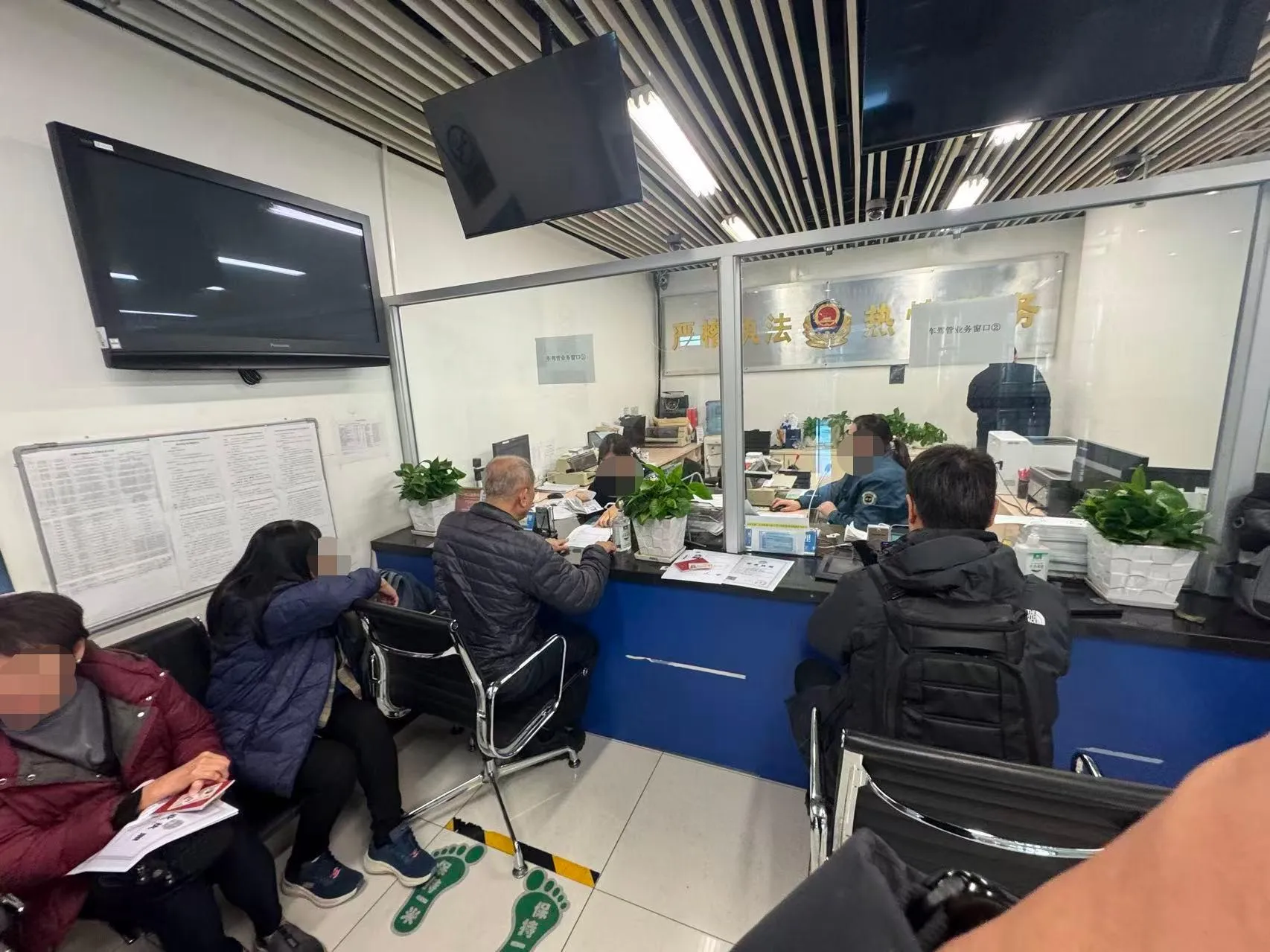
Temporary driving permits are available in most major cities across mainland China, although procedures vary by city. Some cities offer online pre-application or translation services, but applicants usually need to appear in person to complete the process.
If you plan to rent a vehicle for a self-drive trip in China, you will generally apply through the traffic management authority in the city where the rental company is located. Before booking, confirm the correct application office with the rental provider, especially if you plan to return the vehicle in a different city.
 |
Applicants must be at least 18 years old. Applicants aged 70 or above must pass tests of memory, judgment and reaction before applying for a temporary driving permit.
Car Rental
Holding a Temporary Driving Permit Does Not Mean a Rental Company Will Definitely Rent to You
Even if you have a valid temporary driving permit, not all rental companies accept foreign visitors as renters. Some online platforms serve only domestic users, and offline counter standards sometimes differ from website descriptions. Confirm in writing in advance: whether they accept foreign renters holding temporary driving permits, available vehicle models, and insurance coverage.
Vehicle Class Restrictions
Foreign visitors generally have two vehicle options:
- 1. Rent a China-registered vehicle from a licensed rental company. This is the usual option for most foreign visitors taking a self-drive trip in China.
- 2. Temporarily import an eligible foreign-registered vehicle into China. This option involves substantially more complex procedures.
Temporary driving permits for rented vehicles normally cover only C1/C2 small cars. The authorized vehicle category on the temporary permit must correspond to the category shown on the applicant’s foreign driver’s license. For drivers using their own temporarily imported vehicle, the authorized category on the temporary permit must also match the vehicle being driven.
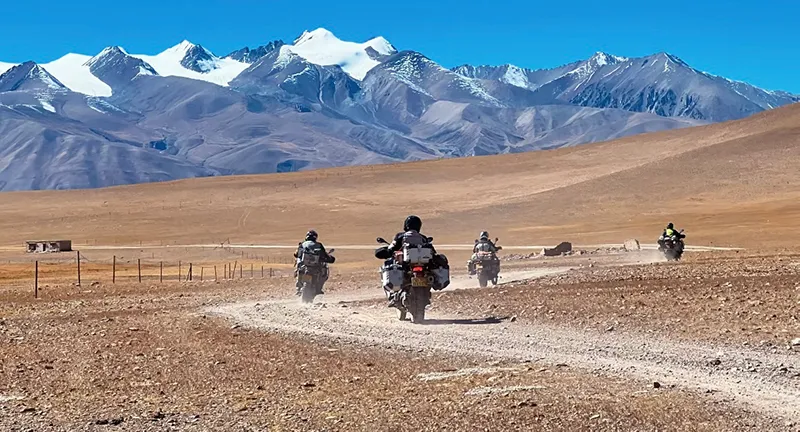
Motorcycle travel requires separate confirmation. A temporary permit issued for a car cannot be used to ride a motorcycle. Whichever vehicle arrangement you choose, any trip to Tibet must be included in the approved itinerary and permit arrangements made through a qualified travel agency.
Regulations for Tibet and Border-Controlled Areas
Foreign Visitors Are Not Allowed to Travel Independently in Tibet
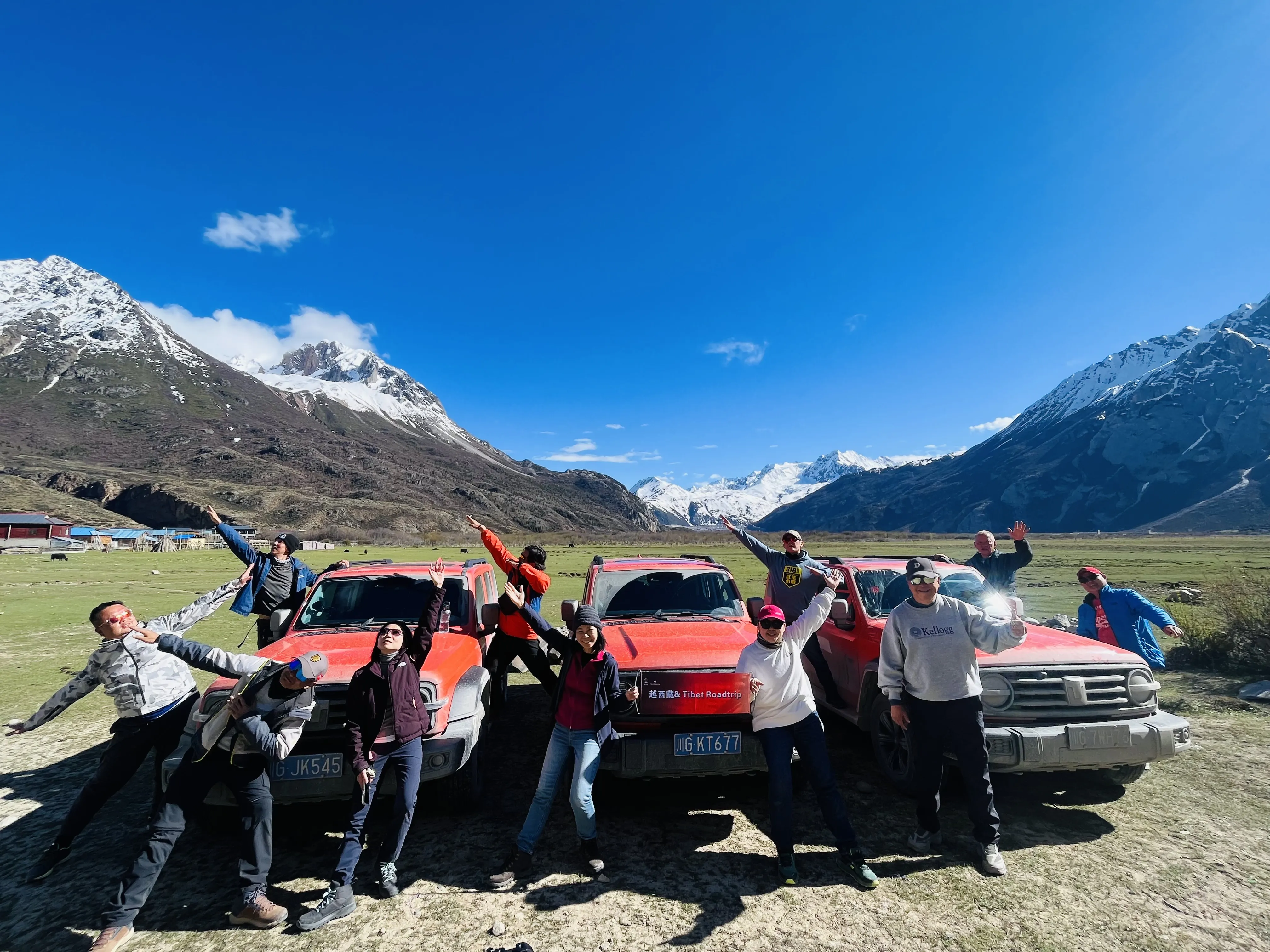
Whether arriving by plane or train, or traveling on a self-drive trip or motorcycle tour, foreign visitors’ entry into Tibet must be arranged by a qualified travel agency. They may drive themselves only as part of an agency-arranged trip with the required permits and guide.
 |
Tibet Travel Permit
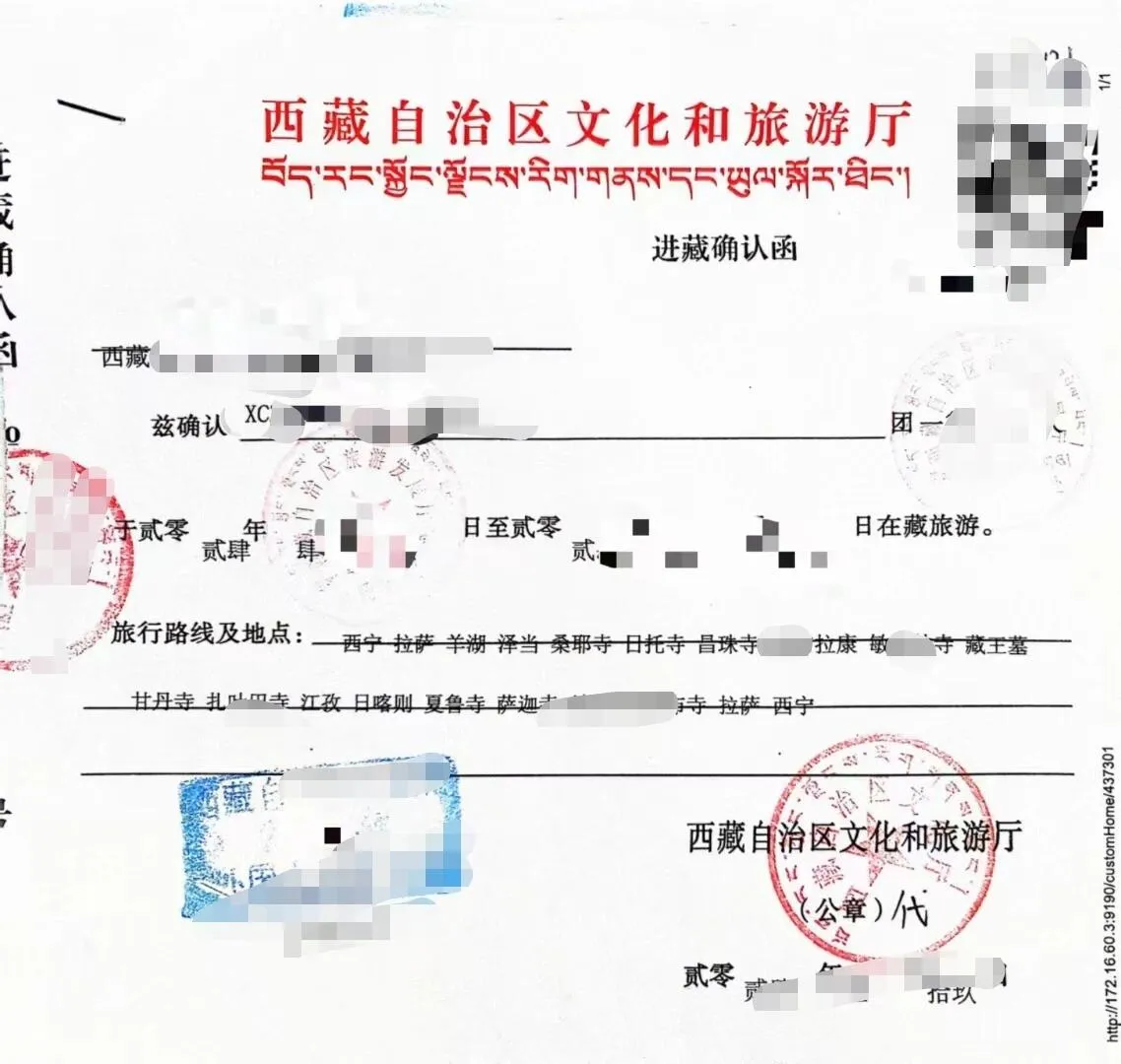
The Tibet Travel Permit is a required document for foreign visitors entering Tibet. It can only be applied for on your behalf by a qualified travel agency; individuals cannot submit the application directly. You need to provide the travel agency with a copy of your passport, visa or other valid entry-document information, and planned itinerary. Allow several weeks for itinerary planning and permit processing. More lead time may be needed during high season or for remote and border-area routes.
 |
Additional Documents May Be Required for Border Areas
If the planned itinerary includes Everest Base Camp, Ngari, and other border areas, additional documents may be required, such as a Border Defense Permit. The exact documents depend on the approved route and must be confirmed by the travel agency. These requirements can add lead time and should be arranged with the Tibet Travel Permit during the itinerary-planning stage.
How to Plan a Tibet Self-Drive Trip
Choosing Travel Season, Processing Documents, and Choosing a Vehicle
-
Choosing Travel Season
The main season for self-drive trips in Tibet is generally from May to October. Within this period, late May to mid-June and mid-September to mid-October often have relatively stable weather, fewer tourists, and prices usually lower than the summer peak. However, Tibet’s weather, road construction, and traffic control differ each year. The specific travel time should be determined based on that year’s road conditions, scenic area operations, and travel agency recommendations.
 |
July-August is the rainy season and may bring rain, rockfalls, landslides, and mudslides; from November to March of the following year, high-altitude sections may have snow and ice, and passage conditions at some mountain passes may be unstable. Whichever season you choose, it is not recommended to make the itinerary too tight; allow flexible time. In addition, all Tibet itineraries arranged by our agency include a licensed guide throughout the Tibet Autonomous Region.
Document Processing
For foreign visitors on self-drive trips in Tibet, the itinerary usually needs to be arranged through a qualified travel agency, which also handles related documents. After confirming the travel time, it is recommended to contact a travel agency 2-3 months in advance and start itinerary planning and document approval at the same time. Whether all documents can be processed, the processing period, and required materials are subject to the final itinerary and current regulations.
Tibet Travel Permit: Foreign visitors traveling to the Tibet Autonomous Region need a Tibet Travel Permit, applied for by the travel agency. The travel agency will inform you when and in what form it will be delivered; follow your agency’s instructions on whether you need the original permit or a copy at each stage of the journey, and keep digital backups of your travel documents.
Border Defense Permit/border procedures: Everest Base Camp, Ngari, and other border or restricted areas may require additional travel permits, border/frontier procedures, or other approvals. Not all routes require them; specifics are subject to the final itinerary and current regulations, coordinated by the travel agency.
Military-area permits or other route-specific approvals: Some remote, border, or sensitive routes may require military-area permits or other route-specific approvals. Not every route requires them. Whether they are needed and whether they can be obtained should be confirmed by the travel agency based on the itinerary before departure.
Vehicle Selection
After confirming travel time and document arrangements, please confirm vehicle arrangements at the same time.
Our travel agency can provide rental vehicles for you and arrange suitable vehicle models, insurance, and related supporting documents according to the itinerary. Specific vehicle models, insurance coverage, rental, and operating arrangements are subject to the final confirmation sheet. Vehicle models we can provide include Mercedes-Benz V260, Tank 300, Buick GL8, Voyah Dreamer, and DENZA D9.
 |
You may also choose to bring your own foreign-registered vehicle into China; our travel agency will assist you in evaluating and handling relevant procedures. However, bringing a foreign-registered vehicle requires pre-review of the itinerary and port of entry; right-hand-drive vehicles, modified vehicles, and some models may be restricted; whether it can be handled depends on the port of entry, vehicle type, vehicle registration country, itinerary, and current policies. It is recommended to confirm the vehicle plan 2-3 months before departure and include vehicle information in the travel agency’s itinerary filing, coordinating it together with the Tibet Travel Permit and border procedures.
If you plan to go to Everest Base Camp, Ngari, and other border or restricted areas, you also need to confirm in advance whether the vehicle arrangement, insurance coverage, and route approvals are accepted for the planned area.
Arriving in a Chinese City to Apply for a Temporary Driving Permit and Recommended Itineraries
Temporary Driving Permit
China does not recognise an International Driving Permit (IDP) as an independent driving credential. An overseas driving licence, even when accompanied by an IDP, does not by itself allow you to drive in mainland China. You must apply for a temporary Chinese driving permit for the appropriate vehicle category.
After you arrive in China, the travel agency can help arrange an appointment with the local vehicle administration office based on your vehicle collection point and itinerary starting city, and accompany you to apply in person. Available services, required documents and processing times vary by city, so confirm the details with your travel agency before booking flights or other non-refundable services.
 |
Once your temporary permit has been issued, learn the essential driving practices and traffic regulations for mainland China before starting your self-drive journey.
Recommended Itineraries
- (1) Fly to Chengdu and take a western Sichuan-Tibet overland route via Daocheng Yading and G318
G318 is one of the classic routes into Tibet. It is usually recommended to arrange about 10-14 days, depending on stops and weather. The reference main route is:
Stops such as Nujiang 72 Turns, Ranwu Lake, and Lulang Forest can be arranged along the way, depending on time and road conditions. Several overnight stops are above 3,000 meters. Build in acclimatization time and avoid an itinerary with repeated sharp increases in sleeping altitude. Most sections of this overland route are paved. From Mangkang onward, the route joins G318, where mountain sections may be affected by rain, rockfalls, construction, snow, and traffic control; strictly obey on-site speed limits and traffic police instructions, and try to avoid entering remote mountain roads at night.
- (2) Fly to Kunming and travel to Lhasa via G214 and G318
Traveling from Kunming overland can provide a more gradual build-up in altitude than flying directly to Lhasa, although the route still includes high mountain sections and requires sensible acclimatization planning. It is recommended to arrange about 10-14 days. The reference main route is:
Kunming - Lijiang - Shangri-La - Deqin - Mangkang - Zuogong - Ranwu Town - Nyingchi - Lhasa
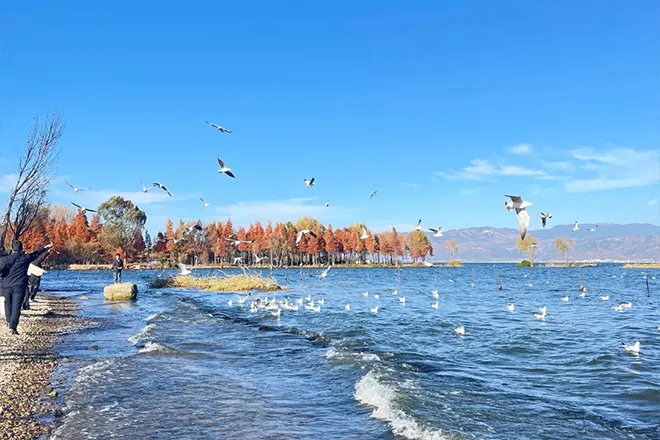
Tiger Leaping Gorge is an optional detour that normally adds at least one day to the itinerary. This route is mainly paved roads, but mountain roads T, rainy-season rockfalls, construction, and local damage may still affect passage. Stops such as Cangshan Mountains and Erhai Lake, Jade Dragon Snow Mountain, and Meili Snow Mountain can be arranged along the way according to weather and road conditions.
- (3) Fly directly to Lhasa and start the itinerary from Lhasa
If you choose to fly directly to Lhasa and then start a self-drive trip, you can depart from Lhasa to Namtso, Yamdrok Lake, Everest Base Camp, and other areas. Reference route:
Gyatso La Pass is located in the direction from Shigatse to Tingri and can be used as a passing point. Shuttle-bus requirements, the areas private vehicles may reach, and permitted overnight locations within the Everest Base Camp scenic area can change with operating rules and must be confirmed by the travel agency before departure. Vehicle and transfer arrangements within the Namtso scenic area are subject to the operating rules of the day.
- Extension Itinerary Reminder
Regardless of which city you depart from, after arriving in Lhasa you can extend according to the approved itinerary to Everest Base Camp, Ngari, Namtso, and other areas. However, these areas may involve additional permits, border/frontier procedures, vehicle approval, or route restrictions, and must be confirmed with the travel agency before departure and included in the itinerary. It is not recommended to make last-minute decisions after arriving in Lhasa.
Approval for areas such as Ngari is usually stricter. The feasibility of self-drive trips and the time required should be confirmed in advance, subject to the final itinerary and current regulations.
Precautions for Self-Drive Trips in Tibet
-
Altitude Sickness and Health
Much of Tibet lies above 3,000 meters, so altitude illness is a serious risk on a self-drive trip. It is recommended to slow down in the first few days, avoid rapidly increasing sleeping altitude, ensure rest and hydration, and do not drink alcohol. Those with a history of altitude sickness or underlying diseases should consult a doctor before departure and decide whether they are suitable for high-altitude areas based on the doctor’s advice.
If shortness of breath at rest, altered consciousness, unsteady gait, persistent vomiting, or worsening severe headache occurs, immediately stop ascending, descend, and seek medical help. Oxygen cannot replace descent. Prepare personal regular medicines, warm clothing, drinking water, and high-energy snacks in the vehicle; prepare oxygen and emergency supplies according to travel agency recommendations, and do not rely only on oxygen inhalation to continue ascending.
Road Conditions and Driving Chinese
G318 is mainly paved roads, but mountain driver sections may be affected by rain, rockfalls, construction, snow, and traffic control; strictly obey on-site speed limits and traffic police instructions, and try to avoid entering remote mountain roads at night. On long descents, use engine braking, avoid prolonged braking, and prevent brake overheating.
For vehicles, it is recommended to choose a high-clearance SUV or off-road vehicle suitable for the itinerary. Before departure, check brakes, tires, spare tire, antifreeze, etc., and prepare snow chains according to season and route. Some remote sections may have no cell phone signal; it is recommended to download offline maps in advance and prepare communication methods according to travel agency recommendations.
Documents, Inspections, and Supplies
Carry your original passport and any original or copy of the Tibet Travel Permit required by your agency, and keep digital backups of all travel documents. Checkpoints along the way may inspect documents; please cooperate with inspections. It is recommended to scan all documents and store them in a cloud drive, and keep paper copies separate from the originals.
Before entering remote or long-distance sections, refuel in advance according to the guide’s advice and the next reliable supply point. Do not wait until the fuel level is too low to look for a gas station.
Insurance and Environmental Protection
It is recommended to purchase travel insurance covering high-altitude self-drive trips and confirm that the policy includes emergency rescue and medical evacuation. Do not drive over grasslands; stop only in designated parking areas. High-altitude ultraviolet radiation is strong; high-SPF sunscreen, sunglasses, and a sun hat are usually daily essentials.
Conclusion
Foreign visitors can rent a car and drive themselves in most parts of China with a full’s license or a temporary driving permit, but Tibet implements a separate and strict set of management rules. The required permits and vehicle arrangements should be planned with a qualified travel agency several weeks in advance. Do not wait until the rental counter to plan an overland trip to Tibet.
Ask a Quick Question & Free Enquiry

If you have a WhatsApp, please feel free to scan our WhatsApp code.