 +86-13981905144
 inquiry@chinaroadtrip.org
How to Plan a Cultural Trip to Tibet
Written by China Road Trip | Updated 2026-8-7

If you are planning to visit Tibet in August, you have probably heard of Shoton Festival, also known as the Yogurt Festival. In 2026, the festival will begin on August 12, featuring the spectacular Buddha Thangka unveiling ceremony at Drepung Monastery. Meanwhile, Norbulingka and Longwangtan Park will come alive with Tibetan opera performances, traditional picnics, and local celebrations, making it one of the most important festivals in Tibet. However, Shoton Festival is only one of many unique Tibetan festivals. From the spiritual atmosphere of Saga Dawa Festival and the excitement of Nagqu Horse Racing Festival to the harvest celebrations of Ongkor Festival and the thousands of butter lamps during Butter Lamp Festival, Tibet offers different cultural experiences throughout the year.
So, if you are a foreign traveler hoping to experience Tibetan festivals, how should you choose the right festival, plan your route, and arrange your journey? More importantly, can international visitors actually join these celebrations together with local Tibetan communities?
The answer is yes. Tibet’s landscapes form its backbone, but its festivals bring the region to life. Visiting the Potala Palace or Namtso Lake allows you to see Tibet’s iconic beauty, but joining a traditional festival offers a deeper connection with its culture and people. Whether you are watching a sacred ceremony, joining pilgrims on a kora, or cheering for horse riders on the grasslands, these once-a-year experiences allow you to discover the soul of Tibet beyond ordinary sightseeing. This guide will help foreign travelers plan a Tibet festival journey, covering the best festivals to attend, itinerary planning tips, Tibet Travel Permit requirements, and cultural etiquette you should know before your trip
Major Tibetan Festivals Worth Experiencing
Tibet celebrates numerous traditional festivals throughout the year, each reflecting different aspects of Tibetan religion, culture, and local lifestyles. Since many Tibetan festivals follow the Tibetan lunar calendar, their dates vary each year in the Gregorian calendar. The following are some of the most recommended Tibetan festivals for foreign travelers who want to experience Tibet’s unique traditions and celebrations.
 |
Shoton Festival is usually celebrated on the 30th day of the 6th month in the Tibetan calendar, which normally falls in August in the Gregorian calendar. Held mainly in Lhasa, it is one of the most popular festivals among visitors to Tibet. Originally a tradition of offering yogurt to monks after their summer meditation retreat, Shoton Festival has developed into a grand cultural celebration featuring the famous Buddha Thangka unveiling ceremony at Drepung Monastery, Tibetan opera performances at Norbulingka, and traditional outdoor gatherings known as “Lingka” picnics. For first-time visitors, Shoton Festival is one of the best opportunities to experience Tibetan religious traditions and local celebrations in Lhasa.
 |
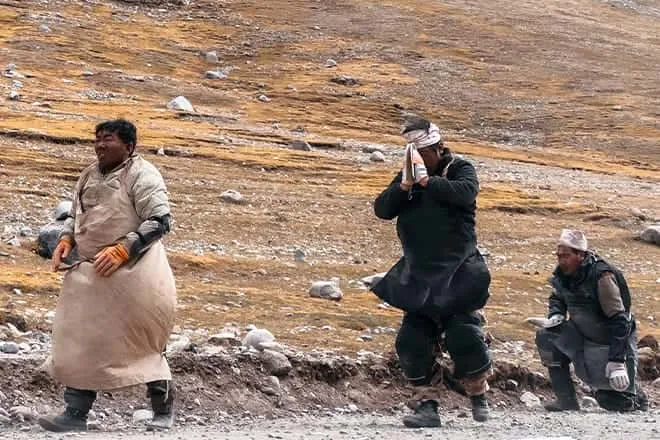
Saga Dawa Festival takes place on the 15th day of the 4th month in the Tibetan calendar, usually falling in May or June in the Gregorian calendar. It is one of the most important religious festivals in Tibetan Buddhism and is widely celebrated in Lhasa and the Mount Kailash region. The festival commemorates three major events in Buddha’s life: his birth, enlightenment, and passing into nirvana. During this period, many Tibetan pilgrims gather at sacred sites to pray, make offerings, and participate in religious activities. For travelers interested in Tibetan Buddhism and pilgrimage culture, Saga Dawa offers a deeper insight into the spiritual traditions of Tibet.
 |
The Nagqu Horse Racing Festival is usually held in the 7th month of the Tibetan calendar, around August in the Gregorian calendar. Taking place on the vast grasslands of northern Tibet, it is one of the best festivals to experience traditional Tibetan nomadic culture. The festival features horse racing competitions, traditional sports, music, dancing, and gatherings among local herders. Beyond the events themselves, visitors can enjoy the dramatic landscapes of the Tibetan Plateau and learn about the lifestyle of Tibetan nomadic communities.
 |
Ongkor Festival is usually celebrated during the harvest season from the 7th to 8th month of the Tibetan calendar, generally between August and September in the Gregorian calendar. It is mainly held in agricultural areas such as Shigatse and Shannan. Before harvesting begins, local communities gather to pray for good weather and a successful harvest. The festival includes traditional songs, dances, and celebrations, offering travelers a chance to experience rural Tibetan life and agricultural traditions.
 |
Losar, the Tibetan New Year, is celebrated on the 1st day of the 1st month in the Tibetan calendar, usually falling in February or March in the Gregorian calendar. It is the most important traditional festival for Tibetan people and marks the beginning of a new year. During Losar, Tibetan families prepare special foods, visit monasteries, and follow traditional customs to welcome happiness and blessings. For visitors, experiencing Losar provides a closer look at Tibetan family traditions, religious beliefs, and local community life.
How to Plan Your Tibet Festival Tour
Once you have chosen the Tibetan festival you want to experience, the next step is turning that festival visit into a complete Tibet journey. Because Tibet is a vast region with high altitude and long travel distances, careful planning is essential. Follow these three steps to create a smooth and unforgettable festival trip.
Step 1: Confirm the Festival Date in Advance
Most Tibetan festivals follow the Tibetan lunar calendar, which means the exact dates may change every year. Before booking flights or hotels, make sure to confirm the official festival schedule through a reliable travel agency or local tourism source. During popular festivals, hotels and transportation can become very busy, so early planning is highly recommended.
Step 2: Choose the Right Tibet Festival Route
Tibet covers a huge area, and most travelers can realistically experience only one or two major festivals during a single trip. Based on different travel durations and interests, the following routes are ideal choices for experiencing Tibetan festivals.
4-Day Lhasa Cultural Festival Tour
Lhasa arrival → Drepung Monastery / Norbulingka festival activities → Potala Palace → Jokhang Temple → Barkhor Street → Departure
For travelers who want to experience Tibetan festivals without long-distance travel, a short Lhasa-based journey is the most convenient option. Lhasa is the cultural heart of Tibet and hosts some of the most important festivals, including Shoton Festival and Saga Dawa Festival. During festival seasons, visitors can experience religious ceremonies, Tibetan opera performances, and local celebrations while exploring the city’s most famous landmarks.
- Best for: First-time visitors and travelers with limited time
 |
- Potala Palace
 |
- Jokhang Temple
 |
- Barkhor Street
5-Day Lhasa & Namtso Festival Experience
Lhasa → Festival activities in Lhasa → Drepung Monastery / Jokhang Temple → Namtso Lake → Return to Lhasa
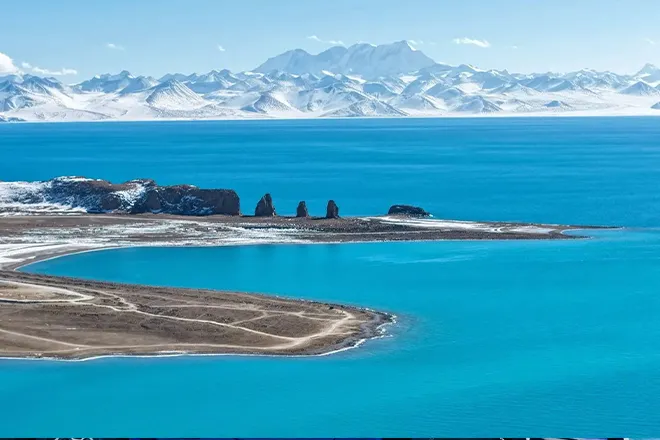
Combining Lhasa’s cultural atmosphere with the breathtaking beauty of Namtso Lake, this route offers a balance between Tibetan traditions and high-altitude landscapes. After experiencing festival activities in Lhasa, travelers can continue to Namtso Lake, one of Tibet’s most beautiful sacred lakes, surrounded by snow-capped mountains and vast grasslands.
- Best for: Travelers who want culture and natural scenery
 |
- Drepung Monastery
 |
- Namtso Lake
8-Day Lhasa – Yamdrok Lake – Everest Base Camp Festival Tour
Lhasa → Festival experience → Yamdrok Lake → Shigatse → Tashilhunpo Monastery → Everest Base Camp → Return
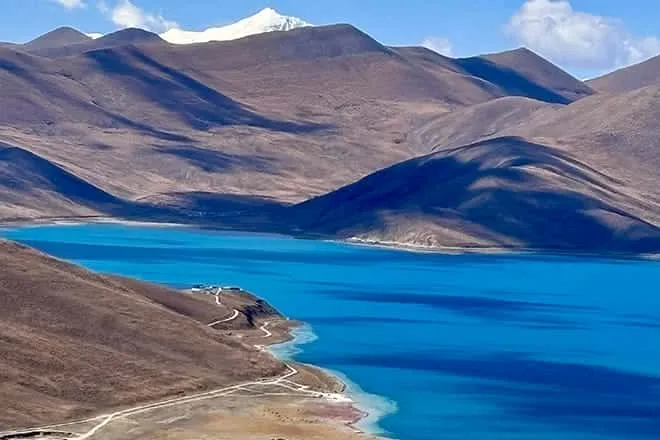
For visitors who want to combine Tibetan festivals with some of Tibet’s most iconic landscapes, this longer journey offers a more complete experience. After joining festival celebrations in Lhasa, the route continues through the spectacular Himalayan scenery of Yamdrok Lake and onward to Everest Base Camp.
- Best for: Travelers seeking a deeper Tibet experience
 |
- Yamdrok Lake
 |
- Everest Base Camp
Step 3: Allow Enough Time for Altitude Acclimatization
Altitude acclimatization is one of the most important parts of any Tibet trip and should never be rushed. Lhasa is located at approximately 3,650 meters (11,975 feet) above sea level, and most first-time visitors need at least two full days to allow their bodies to adjust before joining intensive sightseeing or festival activities.
During the first few days in Tibet, travelers should take things slowly, avoid strenuous exercise, drink plenty of water, avoid alcohol, and give their bodies enough time to adapt to the high-altitude environment. Gentle activities such as walking around Barkhor Street, visiting nearby temples, and enjoying the local atmosphere are recommended, while longer journeys and physically demanding activities should be arranged after proper acclimatization.
Important Tibet Travel Tips for Foreign Visitors
Tibet Travel Permit and Entry Requirements
Foreign travelers need to prepare the necessary documents before visiting Tibet. Unlike other destinations in China, Tibet has additional travel requirements, and all foreign visitors must arrange their trip through an authorized Tibet travel agency.
The Tibet Travel Permit is required for entering Tibet and is different from a Chinese visa. Travelers need a valid passport, a valid Chinese visa (if applicable), and an approved Tibet Travel Permit before starting their journey. Because the permit application requires approval, foreign travelers are advised to begin the process at least 30–45 days before departure, especially when traveling during popular festival seasons.
Additional Permits for Special Areas
Some destinations in Tibet require additional permits due to their location and travel regulations. For example, visiting Everest Base Camp requires extra travel permits, while trips to border areas require a Frontier Pass. Certain areas in western Tibet, including the Mount Kailash region, may also require additional approval before travel.
These permits are usually arranged by your Tibet travel agency according to your itinerary. By working with an authorized agency, foreign travelers can ensure that all required documents are prepared before visiting restricted or special areas.
Respect Tibetan Culture and Follow Local Etiquette
Tibetan festivals are deeply connected with religion and local traditions, so visitors should always approach these celebrations with respect. When visiting monasteries or attending religious ceremonies, dress appropriately, avoid touching religious objects, and follow local instructions. Many religious practices, such as walking around monasteries or sacred sites, follow a clockwise direction, and travelers should avoid interrupting prayers or rituals.
Photography is a great way to remember your Tibet journey, but cultural respect should always come first. Always ask for permission before photographing monks, pilgrims, or local residents, especially during religious ceremonies and festivals. Photography may not be allowed inside temples or during certain rituals, and visitors should never take photos of restricted areas such as military facilities or checkpoints.
Organized Tour Requirement
Foreign visitors are required to travel in Tibet through an authorized travel agency with a registered guide. Independent travel is not permitted for international travelers in Tibet. A professional Tibet travel agency can help arrange:
- √ Tibet Travel Permit application
- √ Festival itinerary planning
- √ Transportation and accommodation
- √ Required additional permits for restricted areas
Preparation Checklist for a Tibetan Festival Trip
Documents
Before traveling to Tibet, make sure you have:
- Valid passport
- Chinese visa (if required)
- Tibet Travel Permit
- Copies of important travel documents
It is recommended to keep both digital and printed copies during your journey.
Packing List
A Tibetan festival trip requires preparation for strong sunlight, changing temperatures, and outdoor activities. Essential items include:
- Sunglasses and sunscreen
- Warm layers for cold mornings and evenings
- Comfortable walking shoes
- Hat and sun protection
- Reusable water bottle
- Small cushion for outdoor festival activities
- Camera equipment (while respecting local photography rules)
Conclusion
For foreign travelers, experiencing a Tibetan festival requires more preparation than a regular trip, but the reward is an unforgettable cultural journey. Standing among pilgrims during a sacred ceremony, hearing the sounds of Tibetan opera, watching horse riders compete across the grasslands, or seeing thousands of butter lamps illuminate a monastery are experiences that cannot be recreated anywhere else.
With the right planning, proper permits, and respect for Tibetan traditions, your Tibet festival journey can become much more than a sightseeing trip—it can become a meaningful connection with one of the world’s most unique cultures.
Ask a Quick Question & Free Enquiry

If you have a WhatsApp, please feel free to scan our WhatsApp code.