 +86-13981905144
 inquiry@chinaroadtrip.org
Can You Ride a Motorcycle to Everest Base Camp in Tibet?
Written by China Road Trip | Updated 2026-8-24

Yes, foreign travelers can ride a motorcycle to Everest Base Camp in Tibet. But this is not an independent motorcycle trip where you simply arrive in Lhasa and ride toward the Himalayas on your own.
Foreign riders need to meet the travel requirements for Tibet as well as the driving requirements for riding a motorcycle in China. If you plan to bring your own foreign-registered motorcycle into China, the bike itself also needs to complete the applicable entry and vehicle procedures.
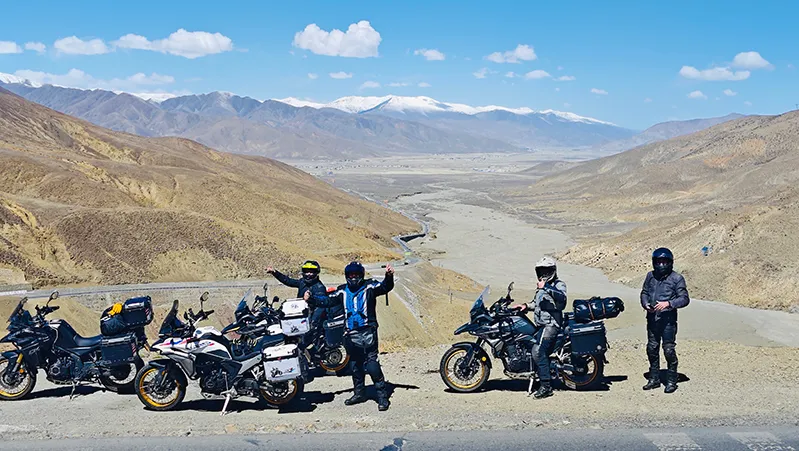
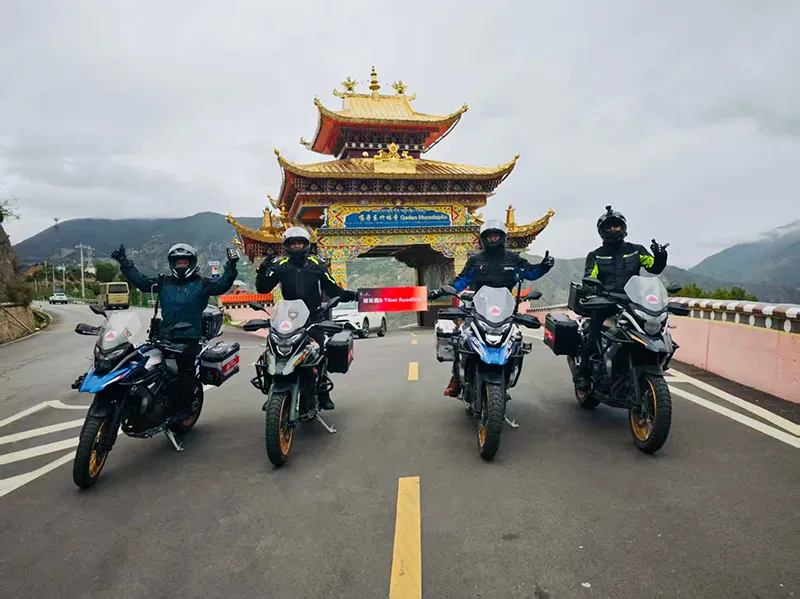
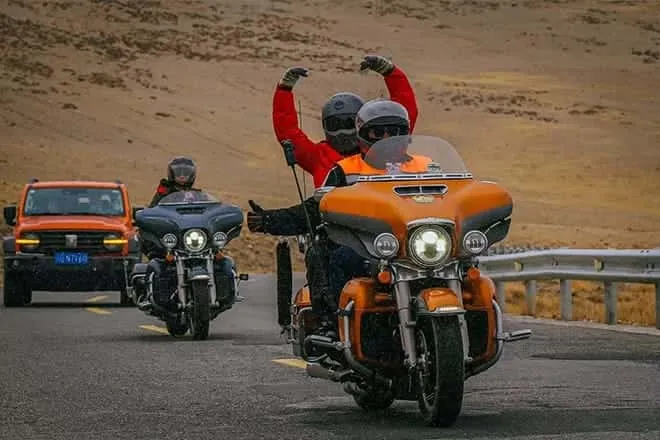
There is no single motorcycle route to Everest Base Camp. Some riders begin in Lhasa and make Everest the main goal of a focused Tibet motorcycle tour. Others ride into Tibet from Sichuan or Yunnan as part of a much longer motorcycle journey through China. Riders can also approach Tibet from Nepal, while international overlanders may include Everest Base Camp as one stop on a transcontinental motorcycle expedition.
This guide explains how to ride a motorcycle to Everest Base Camp, which routes can take you there, what permits and driving documents foreign riders need, what the roads are like, how altitude affects motorcycle travel, when to go, what kind of motorcycle is suitable, and what to consider if you want to bring your own motorcycle into China.
How to Ride a Motorcycle to Everest Base Camp
For a foreign rider, reaching Everest Base Camp by motorcycle involves more than choosing a route. You need to plan both the Tibet journey and the legal requirements for riding in China.
The basic process looks like this:
- 1. Choose Where Your Motorcycle Journey Begins
Your starting point determines much of the trip. You may begin in Lhasa for a more focused Tibet motorcycle journey, ride into Tibet from Sichuan or Yunnan, enter from Nepal, or include Everest in a longer international overland route through China. Each option has a different itinerary, riding distance, altitude profile, border situation, and logistical requirements.
- 2. Arrange Your Tibet Travel Documents
Foreign travelers need the appropriate travel documents to enter Tibet and visit the Everest region. These are arranged according to your approved itinerary and should be prepared before the Tibet portion of your journey begins.
- 3. Complete the Required Motorcycle Driving Procedures in China
A foreign motorcycle license alone does not automatically authorize you to ride in China. The applicable Chinese driving authorization must be completed after you arrive in China, and the rider needs to participate in the application process in person. For our motorcycle journeys, temporary motorcycle driving procedures can be arranged in Kunming, Lhasa, Chongqing, or Urumqi, depending on the route and where the journey begins.
- 4. Arrange the Motorcycle
The vehicle arrangements depend on the motorcycle you will use and your itinerary. If you plan to bring your own foreign-registered motorcycle into China, additional temporary vehicle-entry, registration, customs, and related procedures are required.
- 5. Follow Your Planned Route Toward Everest
Once the travel documents, driving requirements, motorcycle arrangements, and itinerary are in place, the actual ride begins. And this is where the possibilities become much more interesting: there is more than one way to reach Everest Base Camp by motorcycle.
What Should Foreign Riders Know About Motorcycle Travel in China?
Motorcycle touring in China can feel different from riding in Europe, North America or other parts of Asia. Motorcycles are not the main form of long-distance travel for most people in China today, but the country still has an active community of motorcycle enthusiasts and long-distance riders. Tibet, western Sichuan, Yunnan and Xinjiang are particularly well known among riders looking for mountain roads, high plateaus and long overland journeys.
 |
For foreign riders, however, motorcycle travel in China involves additional administrative considerations. An experienced international rider still needs to understand Chinese driving requirements, the rules affecting foreign-registered motorcycles, and local restrictions that may differ between cities and regions. A journey into Tibet adds another layer because foreign travelers must also comply with Tibet’s travel arrangements. This is why motorcycle travel in China can require more advance preparation than foreign riders may be used to in some other countries.
At the same time, Tibet is only one part of motorcycle travel in China. Yunnan, Sichuan, Xinjiang and other regions offer very different riding environments. For riders traveling toward Tibet, Everest Base Camp can become one highlight of a much larger motorcycle journey across China.
What Rules Apply to Foreign Motorcycle Riders in Tibet?
Foreign motorcycle riders need to meet several requirements before beginning a Tibet motorcycle journey. The key is to separate travel permission, driving permission, and vehicle permission, because these are three different issues.
- Travel permission refers to the documents required for a foreign traveler to enter Tibet and visit destinations such as Everest Base Camp.
- Driving permission refers to the legal authorization required for a foreign rider to operate a motorcycle on Chinese roads.
- Vehicle permission applies when a rider brings a foreign-registered motorcycle into China and needs to complete the relevant temporary entry and registration procedures.
These three requirements are handled separately. A passport and Chinese visa alone are not enough to cover the travel, driving and vehicle requirements involved in a motorcycle journey to Everest Base Camp.
What Permits and Documents Do Foreign Motorcycle Riders Need?
- Tibet Travel Permit
The Tibet Travel Permit (TTP) is the primary travel document required for foreign passport holders entering the Tibet Autonomous Region. Foreign travelers cannot apply for the permit independently. It is arranged through an authorized Tibet travel agency based on the traveler’s documents and planned itinerary.
 |
Because processing requirements and timelines can change, it is best to begin preparing your Tibet travel arrangements well before departure rather than relying on a fixed number of processing days.
- Additional Permits for the Everest Region
Everest Base Camp is located in a border region, so a Tibet Travel Permit may not be the only travel document involved. Additional travel or border-related documents may be required depending on the route and the regulations in effect at the time of travel. Foreign travelers generally do not apply for these documents independently; they are arranged according to the approved itinerary.
Because permit requirements can change, your exact documentation should be confirmed according to your final route before departure.
- Chinese Temporary Motorcycle Driving Permit
Travel permission and driving permission are different. Foreign riders need the appropriate Chinese driving authorization before legally operating a motorcycle on Chinese roads. The application cannot simply be completed overseas by sending documents to a travel agency: the rider needs to arrive in China and complete the required procedures in person.
Official Chinese guidance for temporary driving permits requires applicants to present their entry/exit identification and valid foreign driving license; a Chinese translation is required when the license is not in Chinese. The permit is issued after the required local application and traffic-law education procedures. For our motorcycle tours, the application location depends on the itinerary. Motorcycle driving procedures can be arranged in Kunming, Lhasa, Chongqing, or Urumqi, depending on where the journey begins.
- Motorcycle Documents
The motorcycle itself is a separate issue from the rider’s driving authorization. If you bring your own foreign-registered motorcycle into China, the vehicle needs to complete the applicable temporary entry and registration procedures before it can legally be used on Chinese roads.
Which Motorcycle Routes Can Take You to Everest Base Camp?
There is no single motorcycle route to Everest Base Camp. The best route depends on where you begin, how much time you have, and whether Everest is the main purpose of your trip or part of a longer motorcycle journey through China and Tibet.
- Lhasa – Yamdrok Lake – Shigatse – Everest Base Camp
For riders beginning in Lhasa, this is one of the most direct ways to combine central Tibet with Everest Base Camp.
follows:
8‑Day Lhasa‑Everest Base Camp Motorcycle Expedition
8‑Day Lhasa‑Everest & Namtso Motorcycle Pilgrimage
8‑Day Tibet Everest‑Kyirong Moto Tour
14‑Day Ali Northern Line Motorcycle Self‑Driving Tour
16‑Day Ngari Pilgrimage Off‑Road Journey from Lhasa
 |
- Yamdrok Lake
 |
- Namtso Lake
 |
- Karola Glacier
 |
- Everest Base Camp
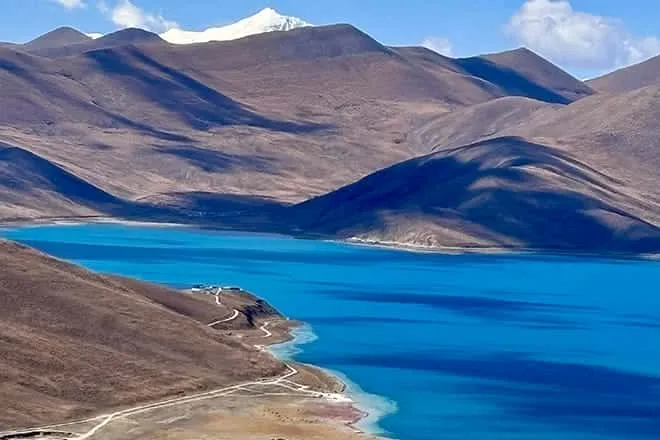
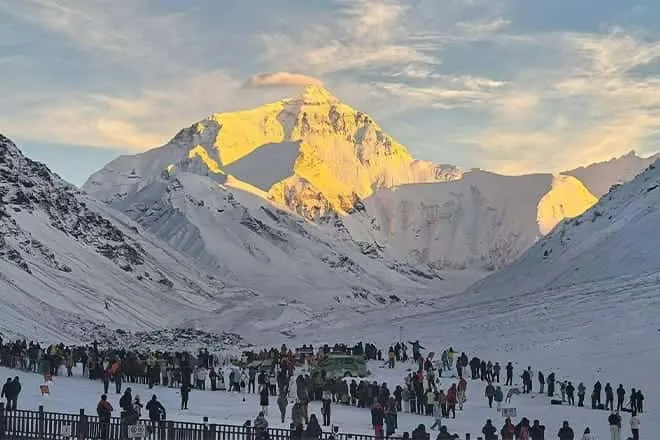
Along the way, riders pass Yamdrok Lake, Karola Glacier, Gyantse and Shigatse before continuing west toward the Everest region. As you approach Everest, the landscape becomes increasingly open and Himalayan. High mountain passes and the famous winding roads around the Everest region make the final approach one of the most memorable sections of the ride. This route is well suited to riders who want Everest Base Camp to be the main focus of their Tibet motorcycle tour.
- Sichuan to Tibet and Everest Base Camp
For a much longer motorcycle adventure, you can begin in Sichuan and ride into Tibet before continuing toward Everest. Routes from Sichuan take riders through the mountains and valleys of western China and onto the Tibetan Plateau. After reaching Lhasa, the journey can continue west through Shigatse and Tingri toward Everest Base Camp.
 |
For example:
17 Days Sichuan‑Tibet, Riding Through G318
23‑Day Chengdu to EBC Moto Tour
This option turns Everest into the culmination of a much larger motorcycle journey through China, rather than a destination reached shortly after arriving in Tibet. It is particularly suitable for riders who want to experience the gradual transition from the lower mountain regions of Sichuan to the high Tibetan Plateau.
- Yunnan to Tibet and Everest Base Camp
Another option is to begin your motorcycle journey in Yunnan. Depending on the itinerary, riders can start from Kunming or other destinations in Yunnan and travel north through the mountainous landscapes of southwest China before entering Tibet. After reaching central Tibet, the journey can continue toward Shigatse and Everest Base Camp.
 |
For example:
15‑Day Yunnan‑Tibet‑Everest Peach Blossom Moto Tour
For riders interested in both Yunnan and Tibet, this route creates a very different experience from flying directly to Lhasa: the landscape and altitude change gradually as the journey progresses.
- Nepal to Tibet and Everest Base Camp
Everest can also be included in a cross-border motorcycle journey between Nepal and Tibet. A typical itinerary may enter Tibet through the Gyirong border area, travel toward Tingri and Everest, and then continue east through Shigatse toward Lhasa.
 |
For example:
6‑Day Tibet‑Nepal Motorcycle Tour via EBC & Gyirong
7‑Day Nepal‑Tibet Everest & Kyirong Crossing
7‑Day Tibet Everest‑Nepal Border Motorcycle Trip
36‑Day Nepal‑Mohan Himalayan Moto Tour
The transition from Nepal to the Tibetan Plateau makes this route particularly distinctive, but cross-border motorcycle travel involves additional planning for both the rider and the vehicle.
- International Overland Motorcycle Routes via Tibet
For international overlanders, Everest Base Camp may be only one part of a much larger journey. A rider traveling between Europe, Central Asia, China and Nepal can incorporate Tibet and Everest into a transcontinental motorcycle itinerary.
For example:
17‑Day Nepal‑Kazakhstan Silk Road Moto Tour
16‑Day Kazakhstan‑Nepal Inbound Moto Tour
16‑Day Mekong‑Himalayas Transnational Moto Tour
These journeys require considerably more planning because the motorcycle itself must cross international borders and comply with China’s temporary vehicle-entry requirements.
What Are the Roads Like Around Everest Base Camp?
For motorcycle riders, road conditions matter differently than they do for travelers sitting in a tour vehicle.
- Paved Roads and Highway Conditions
The main roads connecting Lhasa, Shigatse and the Everest region are largely paved. However, “paved” does not mean that every section will always be perfectly smooth. Weather, road maintenance, temporary construction and local conditions can change the riding surface. Riders should therefore prepare for a predominantly paved journey rather than assuming perfect highway conditions from beginning to end.
 |
- Mountain Passes and Curves
The journey toward Everest crosses high mountain terrain and includes long sections of curves and switchbacks. These roads require concentration, particularly when combined with high altitude, wind and changing weather. The technical riding itself may not be extreme, but conditions can make otherwise manageable mountain roads much more demanding.
 |
- Weather and Road Conditions
Weather can change quickly on the Tibetan Plateau. Rain can reduce traction and visibility. Snow or ice can affect high passes during colder periods. Strong crosswinds can make exposed sections tiring on a motorcycle, while sudden temperature drops can turn a comfortable morning into a very cold afternoon. For riders, these conditions are more than minor inconveniences. They directly affect grip, concentration, physical energy and how far it is sensible to ride in a day.
- Fuel and Remote Sections
Fuel is available along the main routes, but riders should plan stops rather than treating fuel availability as they would in a major city. The same applies to food, rest stops and motorcycle support. As the journey becomes more remote, daily planning becomes increasingly important.
How Difficult Is It to Ride a Motorcycle to Everest Base Camp?
The main challenge is not extreme off-road riding. It is the combination of altitude, long riding days, mountain roads, changing weather and remoteness.
- Riding Skills
Most riders do not need advanced off-road racing skills, but they should already be comfortable with multi-day motorcycle travel and mountain riding. You should be confident handling curves, gradients, slow-speed maneuvering, uneven surfaces and a loaded motorcycle. A Tibet and Everest motorcycle trip is not the ideal place to learn basic motorcycle control.
- Long-Distance Riding
A motorcycle journey to Everest involves repeated days in the saddle. Routes beginning in Sichuan, Yunnan, Nepal or farther abroad can become substantial overland journeys through China and Tibet. At altitude, long-distance riding feels different from covering the same distance at sea level. Fatigue can develop faster, while cold and wind add another physical burden.
- Weather
Weather increases the difficulty of the ride. Cold, rain, strong wind and sudden changes in visibility can all occur during a high-altitude motorcycle journey. Riders need both suitable equipment and enough flexibility in the itinerary to adapt when conditions change.
- Altitude
For many riders, altitude is a greater challenge than the technical difficulty of the road itself. It affects stamina, concentration and motorcycle performance, which is why acclimatization needs to be built into the itinerary.
 |
How Does High Altitude Affect Motorcycle Riders?
High altitude changes both the rider and the motorcycle. For the rider, lower oxygen levels can increase fatigue and make physical effort feel harder. Concentration can also become more difficult, which matters when riding mountain roads for several hours.
For the motorcycle, thinner air can reduce engine performance, particularly on naturally aspirated engines. Cold and wind can compound these effects. A rider dealing with altitude, low temperatures and strong wind simultaneously may tire much faster than expected. Acclimatization therefore needs to be built into the itinerary.
Riders beginning in Lhasa should allow time to adjust before continuing significantly higher. Riders entering Tibet overland from Sichuan or Yunnan may experience a more gradual altitude gain, although they still need to pay attention to how they are feeling. If significant symptoms of altitude illness develop, the priority is health rather than continuing the planned riding schedule.
When Is the Best Time to Ride a Motorcycle to Everest Base Camp?
For most riders, the most practical periods are late spring to early summer and autumn.
 |
- Spring: April-June
Temperatures begin to rise and conditions generally become more suitable for motorcycle travel. May and June can offer a useful balance between riding temperatures and Himalayan visibility.
- Summer: July-August
Summer is warmer, but it also brings more rain and less predictable weather. Conditions can vary considerably by region, especially on journeys that begin in Sichuan, Yunnan or Nepal rather than Lhasa.
 |
- Autumn: September-October
Autumn is another popular period for motorcycle touring in Tibet. Cooler temperatures are balanced by generally good mountain visibility and relatively stable conditions.
- Winter: November-March
Cold temperatures, ice, snow and shorter riding days make winter much more challenging for a motorcycle journey to Everest. Travel arrangements for foreign visitors can also vary at certain times of year.
For many riders, May-June and September-October provide the most practical balance of temperature, road conditions and visibility.
What Motorcycle Is Best for Riding to Everest Base Camp?
There is no single perfect Everest motorcycle. The best bike is one that combines reliability, manageable weight, sufficient power, comfortable ergonomics and enough luggage capacity for multi-day touring.
 |
- Adventure vs. Touring Motorcycles
Adventure motorcycles are a natural choice because they combine road comfort with enough versatility for changing surfaces.
Touring motorcycles can also work because much of the journey is paved, although very heavy motorcycles can become more demanding at slow speeds, on tight mountain roads and when maneuvering at altitude.
- Engine Size
Bigger is not automatically better. Smaller and mid-size motorcycles are generally easier to manage, while larger adventure bikes provide more power and long-distance comfort at the cost of additional weight. All internal-combustion engines can lose performance at high altitude because of lower air density.
The best choice therefore depends on the relationship between power, weight and rider familiarity. A motorcycle you know well and can confidently control is usually a better choice than a larger machine selected simply because it has more power.
- Fuel Range
A useful fuel range provides more flexibility on remote sections. Rather than choosing a motorcycle solely because it has an enormous fuel tank, riders should consider the actual itinerary and plan fuel stops in advance.
- Comfort, Luggage and Reliability
Long days make ergonomics important. Seat comfort, riding position and wind protection matter much more after several consecutive days of riding. The motorcycle also needs suitable luggage capacity for warm clothing, rain protection, tools and personal equipment.
Above all, reliability matters. In remote regions, a motorcycle that is familiar and straightforward to maintain can be more useful than a highly specialized machine that is difficult to repair.
Can You Bring Your Own Motorcycle to China and Ride to Everest Base Camp?
Yes, it is possible to include your own foreign-registered motorcycle in an overland journey through China and Tibet. But bringing the motorcycle into China is a separate legal and logistical process from obtaining permission for the rider.
- Entering China With a Foreign-Registered Motorcycle
A foreign motorcycle entering China temporarily needs to complete the applicable vehicle-entry procedures. Depending on the itinerary and border crossing, this can involve customs formalities, vehicle documentation, temporary registration and other local requirements. The exact procedure should be planned around the actual entry point rather than assumed to be identical at every Chinese border.
- Temporary Vehicle Registration
A foreign-registered motorcycle also needs the applicable temporary vehicle documentation before it can legally operate on Chinese roads. This is separate from your personal driving permit.
- Chinese Driving Requirements
Even when riding your own motorcycle, you still need the appropriate Chinese driving authorization. Official guidance states that, for a motor vehicle temporarily brought into China by the traveler, the vehicle category on the temporary driving permit must correspond both to the rider’s foreign driving-license category and to the vehicle brought into China.
In other words: the rider needs legal driving authorization, and the motorcycle needs legal vehicle authorization. One does not replace the other.
- Tibet and Everest Travel Requirements
Completing the motorcycle’s China entry procedures does not provide independent access to Tibet.
-Foreign riders still need to comply with the same Tibet travel and itinerary requirements discussed earlier.
-For international overlanders, these different layers—China entry, motorcycle entry, driving authorization and Tibet travel arrangements—need to be planned together.
How to Prepare for a Motorcycle Trip to Everest Base Camp
Preparation should focus on the conditions that actually make this journey demanding: altitude, temperature changes, long riding days and remoteness.
- Riding Gear and Personal Equipment
- 1. Bring layered riding clothing that can handle large temperature changes, waterproof protection, warm gloves and proper motorcycle boots.
- 2. Sun protection is also important at altitude, as are hydration and suitable personal medication.
- 3. Electronics should be backed up with reliable charging options, while luggage needs to remain protected from rain and dust.
- Motorcycle Preparation
Before each riding day, check the tires, brakes, chain or drive system, lights and fluids. A suitable tire-repair kit and basic tools are useful for longer and more remote itineraries. If you are riding your own motorcycle through China, maintenance planning becomes particularly important because specific parts for your model may not always be readily available.
- Navigation and Offline Maps
Download offline maps before your ride. Mobile coverage can be limited or unreliable on remote sections of the Tibetan Plateau, so you should not rely entirely on an internet connection for navigation. Keep your planned route, daily stops, fuel points, hotels, and important locations available offline on your phone or GPS device.
It is also useful to save key place names in Chinese, especially hotels, fuel stops, meeting points, and destinations along the route. A power bank or motorcycle charging setup is important if you are using your phone for navigation throughout the day. Your guide will travel with you in Tibet, but having your own offline route information is still useful for understanding the day’s ride and as a backup if mobile coverage is unavailable.
FAQ
- Can foreigners ride motorcycles to Everest Base Camp?
Yes. Foreign riders can travel to Everest Base Camp by motorcycle, but the Tibet portion of the journey needs to follow the required organized travel and permit arrangements.
- Do I need a Tibet Travel Permit to ride to Everest?
Foreign passport holders need the required Tibet travel documentation. An Everest itinerary may involve additional documentation depending on current regulations and the exact route.
- Can I use my foreign motorcycle license in China?
A foreign license alone does not give a visiting foreign rider unrestricted permission to operate a motorcycle in China. The appropriate Chinese driving authorization needs to be arranged according to the rider and vehicle situation.
- Is an International Driving Permit enough to ride in China?
No. An IDP by itself should not be treated as authorization to ride a motorcycle in China.
- Can I bring my own motorcycle to China?
Yes. Foreign-registered motorcycles can enter China temporarily for certain overland journeys, subject to the applicable vehicle-entry procedures and Chinese driving requirements.
- Is the road to Everest Base Camp paved?
The main approach routes are largely paved, although road conditions can vary because of weather, maintenance and construction.
- Can Everest Base Camp be included in a Sichuan–Tibet motorcycle tour?
Yes. Everest can be incorporated into a longer motorcycle journey from Sichuan through Tibet rather than being treated as a standalone Lhasa–Everest trip.
- Can I ride from Nepal to Tibet and Everest Base Camp?
Cross-border motorcycle itineraries between Nepal and Tibet can include Everest, subject to the applicable border, vehicle, driving and Tibet travel arrangements.
- What is the best time for an Everest motorcycle trip?
For many riders, May–June and September–October offer a good balance of riding temperatures, road conditions and mountain visibility.
Planning Your Motorcycle Journey to Everest
So, can you ride a motorcycle to Everest Base Camp? Yes—but there is no single way to do it.
You can begin in Lhasa and make Everest the focus of a Tibet motorcycle tour. You can ride into Tibet from Sichuan or Yunnan and make Everest one highlight of a much longer motorcycle journey through China. You can approach from Nepal, or incorporate Everest into an international overland expedition connecting China with Central or South Asia. The right route depends on where you are coming from, how many riding days you have, your motorcycle experience, and whether you plan to use a motorcycle in China or bring your own bike from overseas.
Tell us your starting point, available riding time and motorcycle plans, and we can help you determine which route makes sense and what travel, driving and vehicle arrangements are required. Whether you are planning a focused Tibet motorcycle tour or a longer motorcycle journey through China to Everest Base Camp, getting the paperwork and logistics right before departure means you can focus on what matters most once the journey begins—the ride itself.
Ask a Quick Question & Free Enquiry

If you have a WhatsApp, please feel free to scan our WhatsApp code.