 +86-13981905144
 inquiry@chinaroadtrip.org
Is Tibet Safe for Foreign Self-Drive Travelers?
Written by China Road Trip | Updated 2026-8-20

Can Foreign Travelers Self-Drive in Tibet?
Yes, foreign travelers can experience a Tibet self-drive journey, but it requires proper planning and arrangements in advance. Tibet has special travel regulations. Foreign visitors cannot simply rent a car and drive into Tibet independently like they can in many other regions of China. Foreign self-drive trips to Tibet need to be organized through a registered Tibetan travel agency, which helps arrange the required permits, vehicle, and itinerary.
These requirements are related to Tibet's travel regulations, not because Tibet is considered unsafe. The Tibet Travel Permit (TTP) is mandatory for foreign tourists and can only be obtained through authorized Tibetan travel agencies. For self-driving tours, a temporary Chinese driving license is also required. What many travelers don't realize: even if you've driven extensively in other parts of China, Tibet operates under a separate permit system. This isn't about safety — it's an administrative requirement rather than a reflection of road conditions.
Is Tibet Safe for Foreign Self-Drive Travelers?
Yes. Tibet can be a safe and unforgettable destination for foreign self-drive travelers with proper preparation and realistic planning. Tibet is not a dangerous destination, but it is a unique environment that requires travelers to understand a few important factors:
- · High altitude and acclimatization
- · Long-distance travel through remote areas
- · Mountain roads and changing conditions
- · Weather changes across different elevations
The key to a safe Tibet self-drive journey is not whether you can go, but how well you prepare before and during the trip. Many first-time travelers find that their biggest takeaway isn't "how challenging it was," but "how much they wish they'd known before they went."
What Safety Factors Should Foreign Travelers Consider in Tibet?
Tibet is not a dangerous destination, but its unique environment creates several challenges that foreign self-drive travelers should understand before starting their journey. The main factors include altitude, road conditions, weather changes, and the remoteness of some areas.
- 1. High Altitude and Acclimatization
Altitude is one of the most important factors to consider when planning a Tibet self-drive journey. Lhasa sits at approximately 3,650 meters (11,996 feet) above sea level, while Everest Base Camp on the Tibetan side reaches around 5,150–5,200 meters (17,000 feet). At these elevations, lower oxygen levels can affect travelers differently.
 |
Altitude is unpredictable. Physical fitness, age, and previous travel experience do not always determine how someone will react. Even experienced drivers may experience reduced energy, poor sleep, or difficulty adjusting during the first days at high altitude. For self-drive travelers, altitude is not only a physical challenge but can also affect concentration and driving endurance, especially when traveling through higher mountain areas.
- 2. Road Conditions and Mountain Driving
Tibet’s main tourist routes have improved significantly in recent years, making overland travel more accessible than before. However, driving in Tibet is still different from regular road trips.
Travelers should expect:
- Long distances between destinations
- Mountain passes and winding roads
 |
- The Eighteen Bends of Heavenly Road, Yajiang (G318)
- Changing road conditions depending on weather and season
Distances in Tibet can feel much longer than expected. Mountain terrain, elevation changes, and slower driving speeds mean that routes covering only a few hundred kilometers may require a full day of travel. Unlike regular highways, Tibet self-drive journeys require travelers to pay closer attention to the surrounding environment and changing conditions along the route.
- 3. Weather and Temperature Changes
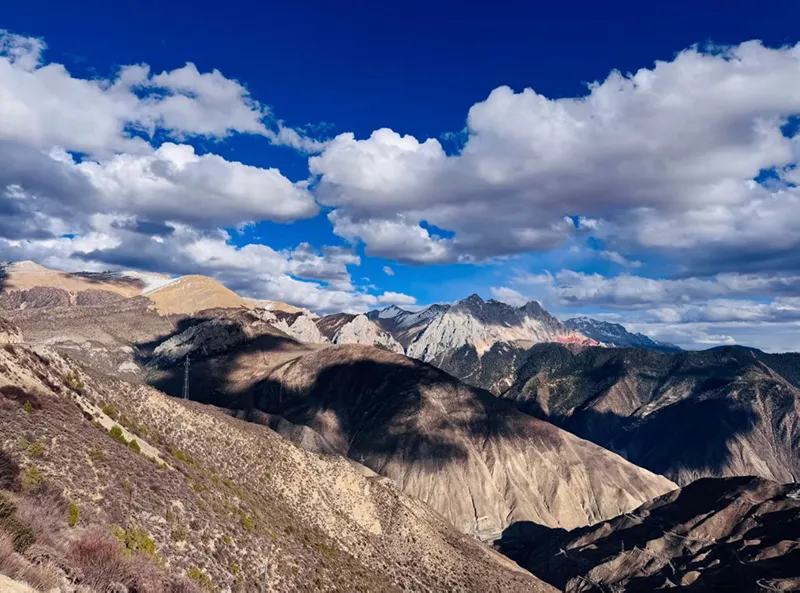
Tibet’s high altitude and diverse landscapes create dramatic weather changes throughout the day and across different regions. Travelers may experience strong sunlight during the day, cold temperatures after sunset, and sudden changes in mountain weather.
 |
Even during warmer months, temperatures can drop significantly at higher elevations. A clear morning can quickly turn into rain, strong winds, or snow in mountain areas. These changes can influence road conditions, driving comfort, and daily travel plans.
- 4. Remote Areas and Limited Services
Many of Tibet’s most beautiful self-drive routes pass through remote areas where services are less frequent than in cities.
 |
- Ngari No-Man's-Land
Travelers should be aware of:
- Limited fuel stations and restaurants in some regions
- Weaker mobile signal outside towns
- Medical facilities that may be far from remote routes
The distance between destinations is one of the unique characteristics of Tibet travel. Unlike many developed highway networks, travelers may spend several hours driving through areas with very limited services. For foreign self-drive travelers, understanding these conditions is an important part of planning a safe and comfortable journey.
How to Prepare for a Safe Tibet Self-Drive Trip
Understanding the challenges of Tibet is the first step. Proper preparation can greatly improve your comfort, safety, and overall experience during a self-drive journey across the Tibetan Plateau. A successful Tibet self-drive trip depends on three key areas: preparing your body, your vehicle, and your route.
- 1. Prepare Your Body for High Altitude
Because altitude is one of the biggest challenges in Tibet, giving your body enough time to adjust is essential before traveling to higher areas.
Before your journey:
- √ Get enough sleep before arrival to help your body adapt
- √ Avoid strenuous activities during your first days in Tibet
- √ Allow enough time for acclimatization before reaching higher elevations
Travelers with existing health conditions should consider medical advice before the trip. The most important approach is to listen to your body and adjust your pace when necessary. A gradual itinerary allows travelers to enjoy Tibet more comfortably and reduces unnecessary pressure during the journey.
- 2. Prepare Your Vehicle and Equipment
Tibet’s remote routes require more preparation than a normal road trip. A reliable vehicle and suitable equipment can greatly reduce unexpected problems during the journey.
Before departure, travelers should:
- √ Check their vehicle carefully, including important systems and tires
- √ Carry basic repair tools and necessary spare parts
- √ Prepare suitable clothing and essential supplies for changing weather conditions
For long-distance self-drive routes, proper preparation is especially important because some areas have limited services and longer distances between towns.
- 3. Prepare Your Route and Documents
A realistic itinerary and the correct documents are essential for a comfortable Tibet self-drive adventure. Before departure, travelers should understand the travel regulations, prepare the required paperwork, and choose a route that matches their experience and available time.
For foreign self-drive travelers, important preparations include:
- √ Chinese visa and passport
- √ Tibet Travel Permit (TTP)
 |
- √ Temporary Chinese Driving License
 |
- √ Additional permits required for certain restricted areas
Foreign visitors cannot simply use an international driving permit or their home-country driving license to drive independently in Tibet. A temporary Chinese driving license is required for legal driving during a self-drive journey.
Route planning is equally important. A realistic schedule should consider altitude changes, road conditions, travel season, and daily driving distances. Understanding the requirements before departure helps avoid unnecessary delays and allows travelers to focus on enjoying the journey.
Professional Support for Your Tibet Self-Drive Adventure
A Tibet self-drive journey requires more than simply renting a vehicle and starting the trip. Foreign travelers need to prepare the correct documents, understand local regulations, choose suitable routes, and be ready for the challenges of high-altitude travel. Our local team provides comprehensive support to help international travelers complete their Tibet self-drive adventure safely and smoothly.
- Tibet Travel Permit and Driving Documents
For foreign visitors, Tibet travel involves specific permit requirements and driving procedures. We assist with Tibet Travel Permit processing and temporary Chinese driving license application services, helping travelers complete the necessary arrangements before departure.
- Vehicle Arrangement and Road Preparation
Choosing a suitable vehicle is essential for Tibet’s mountain roads and high-altitude environment. We provide reliable vehicles for self-drive journeys, including SUVs, off-road vehicles, and other suitable options based on your route, group size, and travel needs.
- Route Planning and Local Road Knowledge
Tibet covers a vast area with changing weather, different road conditions, and long distances between destinations. Our team helps design practical routes based on altitude, season, driving experience, and personal interests, ensuring a safer and more enjoyable journey.
- Safety Support During Your Journey
Traveling through Tibet requires preparation for altitude, remote areas, and unexpected conditions. We provide essential support, including local assistance, emergency coordination, oxygen supplies, travel insurance options, and experienced guidance when needed.
- Complete Local Travel Support
From permits and vehicle arrangements to accommodation and itinerary planning, we take care of the complicated details behind your journey. This allows foreign travelers to focus on enjoying Tibet’s incredible landscapes and the freedom of self-driving.
FAQ
- Is Tibet safe for solo motorcycle travelers?
Tibet is generally safe for solo travelers, but it's not a route we'd recommend without some backup plan. The main risks aren't crime or danger — it's the combination of altitude, remote areas, and limited services. Many solo riders complete the trip safely, but having a reliable contact point (whether a local agency or someone tracking your route) adds an important layer of security. If you're riding solo, consider shorter daily distances and more conservative planning.
- Can foreigners rent a car and drive in Tibet?
Foreign travelers cannot simply rent a car and drive independently in Tibet. Self-drive trips need to be arranged through a registered Tibetan travel agency, which provides the necessary permits and vehicle. The agency typically provides a driver or guide as well, depending on the arrangement. This is not a safety restriction — it's a regulatory requirement for all foreign visitors to Tibet.
- What is the biggest challenge when driving in Tibet?
For most travelers, altitude is the biggest challenge — not the roads themselves. Even experienced drivers can struggle with altitude sickness, which affects concentration, reaction time, and overall energy. After altitude, the second biggest challenge is usually distance: underestimating how long it takes to cover stretches of mountain roads. Road conditions themselves are generally manageable for careful drivers.
- Do I need a special permit for Tibet self-drive?
Yes. All foreign visitors to Tibet need a Tibet Travel Permit (TTP), which can only be obtained through a registered Tibetan travel agency. For self-drive tours, additional permits may be required depending on your route. These are normally arranged through a registered travel operator. Plan well in advance, as the permit process takes time.
- What is the best season for Tibet self-drive?
May-June and September-October are generally the best periods. The weather is more stable, temperatures are milder, and roads are usually clear. July-August can bring more rainfall, which may affect road conditions in some areas. Winter (November-April) is cold but offers clearer skies and fewer tourists — though some passes may be closed due to snow. Most first-time travelers prefer the May-June or September-October windows.
Tibet Is Challenging, But Safe with Proper Preparation
Tibet is not a dangerous destination, but it is a demanding one. Its high altitude, remote landscapes, and unique travel regulations mean that a successful self-drive journey requires careful preparation and realistic planning.
With the right preparation, a suitable route, and reliable local support, foreign travelers can safely experience one of the world's greatest road adventures. From the ancient monasteries of Lhasa to the breathtaking landscapes of Everest, Tibet rewards those who come prepared.
Ask a Quick Question & Free Enquiry

If you have a WhatsApp, please feel free to scan our WhatsApp code.