 +86-13981905144
 inquiry@chinaroadtrip.org
Can Foreigners Drive to Tibet?
Written by China Road Trip | Updated 2026-8-21

Tibet is one of the world’s most extraordinary destinations for road adventures, offering Himalayan landscapes, vast high-altitude plateaus, ancient monasteries, and some of Asia’s most spectacular driving routes. For many travelers, the idea of exploring this region by road is irresistible.
Yes, foreigners can travel through Tibet on a self-drive journey, but they cannot simply rent a car and drive into Tibet independently like they can in many other parts of China. Tibet operates under special travel regulations. Foreign travelers need specific permits and approved travel arrangements to enter and travel within the Tibet Autonomous Region (TAR). This is a regulatory requirement, not because Tibet is unsafe—it is simply how the region’s tourism system is structured.
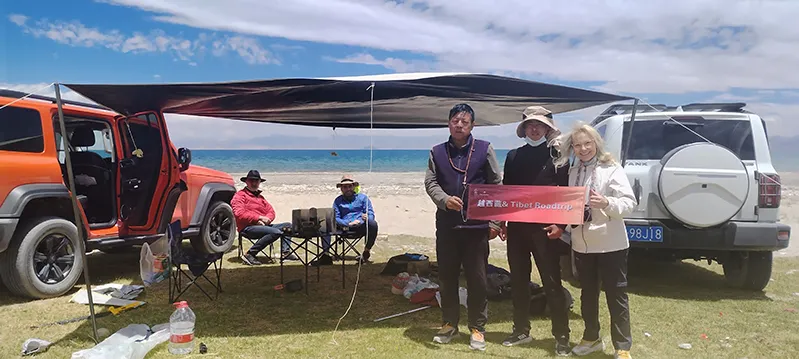
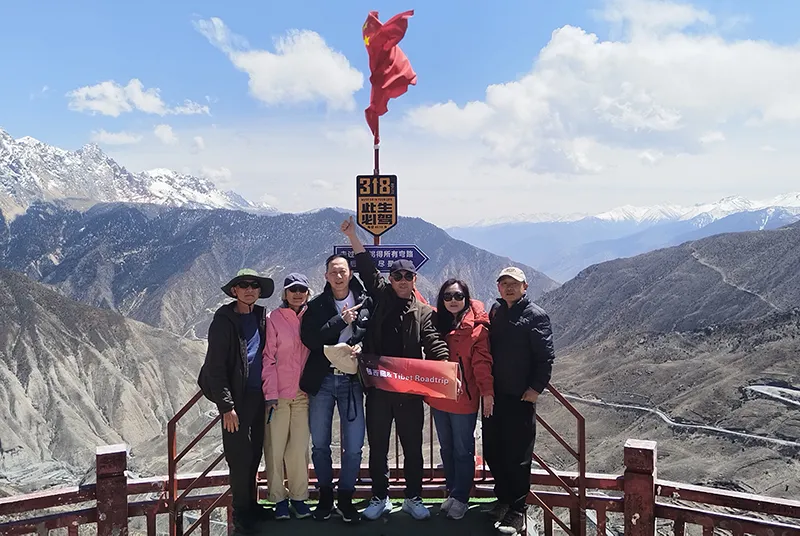
In fact, international overlanders do make the journey every year. With proper arrangements, foreign self-drive groups successfully travel through Tibet from destinations around the world. Recent foreign self-drive journeys have included travelers from countries such as Austria, Germany, Russia, and Malaysia. So while the process requires more planning than a typical road trip, exploring Tibet by road is absolutely possible.
What Documents Are Required for Tibet Self-Drive?
Whether you plan to fly or take a train to Tibet, or enter the region by self-drive, foreign travelers need to prepare specific documents before their journey.
Unlike many destinations where travelers can arrange everything independently, Tibet travel for foreign visitors requires approved arrangements through a qualified local travel agency. The agency helps organize the required permits, confirm the itinerary, and ensure that all necessary documents are prepared before departure. For self-drive travelers, additional driving documents are required, including a Temporary Chinese Driving License and vehicle-related arrangements.
Tibet Travel Permit (TTP)
 |
The Tibet Travel Permit is the most important document for foreign travelers visiting the Tibet Autonomous Region (TAR). It confirms your approved travel information, including traveler details, travel dates, and planned destinations. Foreign travelers cannot apply for the Tibet Travel Permit independently. The application must be handled through an authorized local Tibet travel agency.
How the application process works:
- 1. Prepare required documents
Travelers usually need to provide:
- * Passport copy
- * Chinese visa copy
- * Basic travel information, including dates and planned itinerary
For self-drive travelers, additional vehicle and route information may also be required.
- 2. Permit application and approval
The travel agency submits the application based on your planned itinerary and coordinates the required procedures with local authorities.
- 3. Receive the permit before departure
After approval, the permit is provided before your journey. The original document may be required when checking in for flights or trains to Tibet.
Temporary Chinese Driving License
 |
A Tibet Travel Permit allows foreign travelers to enter Tibet, but it does not allow them to drive legally in China. Foreign driving licenses and International Driving Permits (IDPs) cannot be used alone for driving in China. Foreign self-drive travelers need a Temporary Chinese Driving License before starting their journey.
How the application process works:
- 1. Prepare required documents
Travelers usually need:
- * Passport
- * Valid foreign driving license
- * Chinese translation of the driving license (if required)
- * Passport photos
- 2. Complete the application procedure
The application is processed according to Chinese traffic regulations. The exact procedure may vary depending on the city and travel arrangements.
- 3. Obtain the driving permit before departure
Once approved, the Temporary Chinese Driving License allows foreign travelers to legally drive during their self-drive journey in China.
Additional Permits for Special Areas
The Tibet Travel Permit does not cover every destination in Tibet. Some areas require additional permits or approvals depending on the route.
Examples include:
- Everest Base Camp — additional permits required
- Ali Region (Mount Kailash and Lake Manasarovar) — special approval required
- Border areas and some remote regions — additional permits may be required
Because permit requirements depend on the exact itinerary, route planning should be completed before departure. A local Tibet travel agency can confirm the required documents and arrange the necessary procedures for your journey.
Can Foreigners Drive Their Own Vehicle in Tibet?
Yes, but advance preparation and professional coordination are required. Foreign travelers can explore Tibet with their own vehicles, including motorcycles, cars, and expedition vehicles. However, bringing a foreign-registered vehicle into China involves additional procedures, including vehicle documentation, temporary entry arrangements, and customs coordination.
Option 1: Bring Your Own Vehicle to Tibet
For international overlanders who want to continue their journey through China with their own vehicle, the process usually involves:
- Vehicle documentation — registration documents, insurance, and ownership information
- Temporary vehicle entry procedures — customs-related arrangements required for foreign vehicles entering China
- Route and travel coordination — approved itinerary and local arrangements before arrival
Because these procedures involve multiple steps and local regulations, travelers cannot simply arrive at the border and start driving independently. For international overlanders crossing Asia, our team can help arrange the China section of their journey, including vehicle procedures, Tibet permits, route planning, and local support.
Option 2: Rent a Local Vehicle for a Tibet Self-Drive Journey
For travelers who want to experience Tibet by road but prefer to avoid the complexity of bringing their own vehicle into China, renting a local vehicle can be a more convenient option.
We provide self-drive solutions with suitable vehicles and supporting services, including:
- √ Vehicle rental arrangements
 |
- √ Temporary Chinese Driving License assistance
- √ Tibet Travel Permit processing
- √ Route planning
- √ Local support during the journey
This option allows foreign travelers to enjoy the freedom of self-driving in Tibet without dealing with complicated international vehicle entry procedures.
Classic Tibet Self-Drive Routes
Tibet offers some of the world’s most spectacular road journeys, but choosing the right season is an important part of planning a successful self-drive adventure. Weather conditions, road accessibility, and altitude changes can greatly influence the driving experience, so selecting the right travel period is essential.
The best seasons for Tibet self-drive are generally spring, summer, and autumn. May to June and September to early October are considered some of the best windows, offering clearer skies, comfortable temperatures, and relatively stable road conditions. April is also a special time to visit Nyingchi, when the famous peach blossoms create one of Tibet’s most beautiful spring landscapes.
 |
July and August are the rainy season in many parts of Tibet. Some mountain sections, including areas around Batang–Markam and Bomi–Tongmai, may experience landslides, road disruptions, or changing driving conditions. Travelers planning summer routes should allow more flexibility in their itinerary.
 |
Winter offers a different Tibet experience, with fewer travelers, clearer skies, and excellent visibility for mountain landscapes. However, colder temperatures, icy road sections, and more challenging conditions at higher elevations make winter self-driving better suited for experienced adventurers with proper preparation.
Below are some of the most popular Tibet self-drive routes for foreign travelers, each offering a unique combination of landscapes, cultural experiences, and driving challenges.
Route 1: G318 Sichuan-Tibet Highway
The G318 Sichuan-Tibet Highway is one of China’s most famous overland routes and a dream journey for many self-drive and motorcycle travelers.
Key Highlights Along the Route:
 |
- Ranwu Lake
 |
- Midui Glacier
 |
- Mount Namcha Barwa
This legendary road crosses dramatic mountain landscapes, high-altitude passes, Tibetan villages, and some of the most spectacular scenery in western China. The route is ideal for travelers who want a classic Tibet road adventure combining natural landscapes, cultural experiences, and challenging mountain driving.
Route 2: Kathmandu to Lhasa Overland Route
The Kathmandu–Lhasa route is one of the most iconic Himalayan overland journeys, connecting Nepal and Tibet through some of the world’s highest mountain landscapes.
Nepal – Gyirong – Gangga – Everest Base Camp (EBC) – Tingri – Shigatse – Lhasa
Key Highlights Along the Route:
 |
- Himalaya Mountains
 |
- Everest Base Camp
The journey typically enters Tibet through the China–Nepal border and follows the Friendship Highway toward Lhasa. This route is especially popular among international overlanders who combine Tibet with a larger Asia road journey.
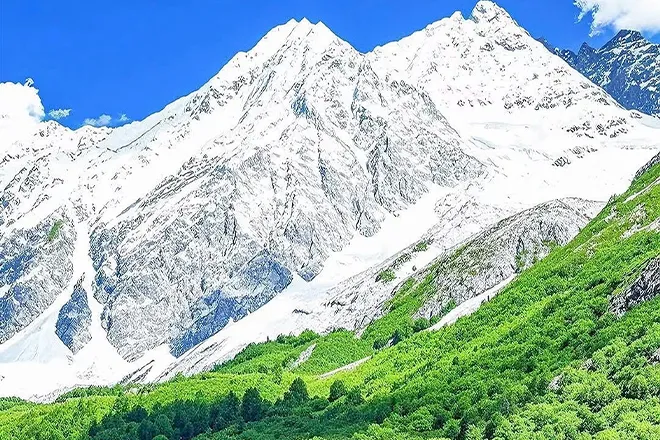
Route 3: Yunnan–Tibet Route
The Yunnan–Tibet route follows an ancient route through southwest China, connecting:
Key Highlights Along the Route:
 |
- Meili Snow Mountain (Kawagarbo)
 |
- Great Bend of Jinsha River
The journey passes through deep valleys, snow-covered mountains, and high mountain passes, offering a different perspective compared with the traditional Sichuan–Tibet route. It is a great choice for travelers looking for dramatic landscapes and a less conventional approach to Tibet.
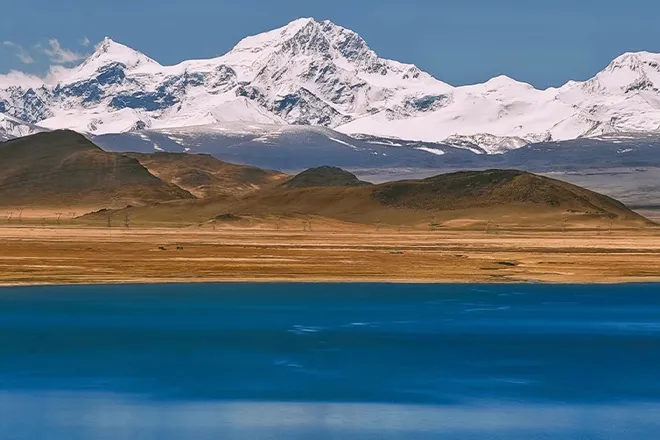
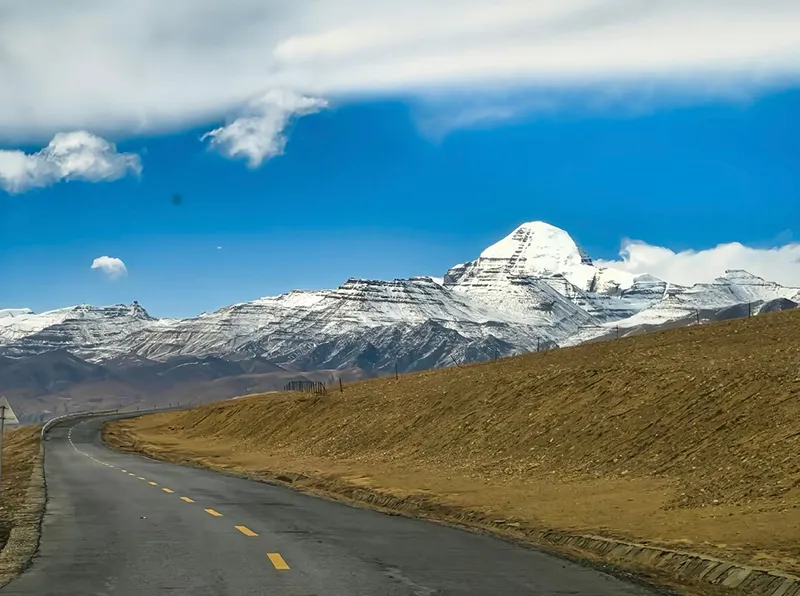
Route 4: Ali Grand Loop
For experienced adventurers, the Ali Grand Loop is one of Tibet’s most remote and spectacular self-drive journeys.
Key Highlights Along the Route:
 |
- Mount Kailash
 |
- Lake Manasarovar
This remote circuit offers some of Tibet's most extraordinary landscapes, including sacred mountains, vast wilderness, and rarely visited areas.
However, the Ali route also requires more preparation due to:
- -Higher altitude
- -Longer distances
- -Fewer services
- -More complex travel arrangements
It is best suited for experienced travelers seeking a deeper adventure beyond Tibet's classic routes. If you have a specific route idea, our team can help design a customized Tibet or China overland itinerary based on your travel goals, vehicle type, available time, and preferred destinations.
Challenges and Preparation for Tibet Self-Drive
Driving across Tibet is an unforgettable experience, but it also requires preparation for the unique conditions of the Tibetan Plateau. Understanding the challenges in advance and preparing properly can make your journey safer and more enjoyable.
High Altitude: Allow Time for Acclimatization
Tibet’s high altitude is one of the biggest challenges for foreign self-drive travelers. Many areas are above 4,000 meters, and popular destinations such as Everest Base Camp reach even higher elevations. Lower oxygen levels can affect travelers differently, causing symptoms such as headaches, fatigue, poor sleep, or reduced energy. Altitude can also influence driving concentration and endurance.
- How to prepare:
Allow enough time for your body to adjust before traveling to higher areas. Many travelers spend several days in Lhasa before continuing to higher-altitude routes. Staying hydrated, avoiding overexertion, and carrying personal medication or portable oxygen supplies can improve comfort during the journey.
Mountain Roads and Long Distances: Plan Realistic Routes
Tibet’s roads pass through dramatic mountain landscapes, but distances can be much longer than they appear on a map. Travelers may encounter high mountain passes, winding roads, and long stretches between towns. Remote areas often have fewer fuel stations, repair services, and roadside facilities.
 |
- Nujiang 72 Turns (G318)
- How to prepare:
Plan realistic daily driving distances and choose routes that match your experience level. Before departure, check road conditions, prepare basic repair equipment, and make sure your vehicle is suitable for long-distance mountain travel.
Changing Weather: Prepare for Rapid Conditions
Weather in Tibet can change quickly because of the high altitude and mountainous terrain. Even in summer, mountain passes may experience cold temperatures, rain, strong winds, or snow. The rainy season can increase the risk of landslides, while winter brings colder temperatures and icy roads.
- How to prepare:
Pack clothing suitable for changing temperatures and prepare for different weather conditions. Keep your itinerary flexible and check weather and road updates during the journey.
Remote Areas and Limited Services: Prepare for Self-Sufficiency
Many of Tibet’s most beautiful routes pass through remote regions where services are limited. Travelers may experience weaker mobile coverage, fewer English-speaking services, and long distances from medical facilities or repair shops.
- How to prepare:
Carry essential supplies, download offline navigation tools, and make sure someone knows your travel plan. For remote routes, local knowledge and support can be especially valuable when unexpected situations occur.
Tibet Self-Drive Cost and Our Professional Support
The cost of a Tibet self-drive journey is influenced by many factors, including route, trip duration, vehicle choice, travel season, group size, and the level of local support required.
Unlike a regular road trip, foreign travelers need to arrange permits, driving documents, vehicle solutions, and local coordination before starting their Tibet self-drive adventure. These additional services are an important part of the overall cost.
Factors Affecting Tibet Self-Drive Cost
- -Route and Duration
Classic routes such as Lhasa–Everest Base Camp usually require fewer travel days, while remote routes such as the Ali Grand Loop involve longer distances, additional permits, and more complex logistics.
- -Vehicle Choice
Travelers can choose different options depending on their needs, including locally arranged vehicles or support for international travelers bringing their own vehicles.
- -Travel Season and Group Size
Peak seasons and private customized journeys usually require higher service costs, while group size can also influence the final price.
What Our Tibet Self-Drive Package Includes
To help foreign travelers complete their journey smoothly, our team provides comprehensive support, including:
- √ Documents and Permits
- Tibet Travel Permit (TTP) assistance
- Additional permits for special areas when required
- Temporary Chinese Driving License assistance
- √ Vehicle Solutions
- Comfortable vehicle rental options for Tibet self-drive journeys
- Vehicle coordination for international overlanders bringing their own vehicles
- Vehicle arrangements based on route and group size
- √ Travel Arrangements
- Hotel accommodation during the itinerary
- Attraction tickets included in the route
- Experienced Tibetan-English bilingual guide
- Route planning and local coordination
- √ Safety Support
- Oxygen support during high-altitude journeys
- Travel insurance arrangements
- Local assistance and emergency coordination when needed
What Is Not Included
- Unless stated in the customized itinerary, travelers are usually responsible for:
- × Flights or trains to and from Tibet
- × Personal expenses
- × Meals not included in the package
- × Fuel, tolls, parking fees, and vehicle-related expenses
Customized Tibet Self-Drive Journey
Every Tibet self-drive journey is different. Whether you are planning a motorcycle adventure, a private SUV trip, or a China overland journey with your own vehicle, our team can create a customized plan based on your route, schedule, and travel requirements.
FAQ
- Can foreigners drive to Tibet without a guide?
Foreign travelers cannot simply enter Tibet and drive independently without prior arrangements. Tibet travel requires an approved itinerary and assistance from a licensed local travel agency. Self-drive journeys are possible, but they must follow the required regulations and arrangements.
- Can foreigners use an international driving permit in Tibet?
No. An International Driving Permit (IDP) alone is not valid for driving in China. Foreign travelers need a Temporary Chinese Driving License to drive legally in Tibet.
- Can I bring my own motorcycle or car into Tibet?
Yes, but it requires advance preparation. Foreign vehicle entry involves vehicle documentation, temporary entry procedures, and local coordination. Many international overlanders work with a local travel agency to arrange permits, routes, and vehicle-related requirements.
- How long does a Tibet self-drive trip take?
The duration depends on the route. A Lhasa–Everest Base Camp journey usually takes around 7–10 days, the G318 Chengdu–Lhasa route around 10–14 days, and the Ali Grand Loop around 15–20 days. First-time visitors should also allow time for altitude acclimatization.
- What is the best season for Tibet self-drive?
May–June and September–early October are considered the best periods, offering clearer skies and more stable road conditions. Summer brings higher rainfall and possible landslide risks, while winter offers fewer travelers but more challenging driving conditions.
Ask a Quick Question & Free Enquiry

If you have a WhatsApp, please feel free to scan our WhatsApp code.