 +86-13981905144
 inquiry@chinaroadtrip.org
How to Explore the Roof of the World by Road
Written by China Road Trip | Updated 2026-8-12

Road trips are deeply rooted in American travel culture. From the legendary Route 66 to the Pacific Coast Highway, from Yellowstone National Park to the Grand Canyon, Americans have a long tradition of exploring landscapes by car. The appeal of a self-drive journey is the freedom it provides. Travelers can decide their own pace, stop whenever a beautiful viewpoint appears, and experience places beyond the typical tourist routes.
A great road trip is not only about reaching the final destination. It is about the changing scenery along the way, unexpected discoveries, and the feeling of freedom that comes with being behind the wheel. If this kind of freedom is what you look for in a journey, Tibet offers a road-trip experience unlike almost anywhere else.
Can Americans Drive in Tibet?
Yes, American travelers can experience a self-drive journey in Tibet, but it is different from a typical road trip in the United States. In America, travelers can usually rent a vehicle, choose their own route, and travel independently. Tibet has different travel regulations for foreign visitors. International travelers cannot simply rent a car and enter Tibet without preparation.
 |
A Tibet self-drive tour allows foreign travelers to personally drive across the Tibetan Plateau while completing the required travel procedures through a licensed Tibet travel agency. Before starting the journey, travelers need to arrange necessary documents, including the Tibet Travel Permit and other required permits depending on the route. Vehicle arrangements and local travel procedures must also meet Tibet’s regulations. With proper preparation and professional support, American travelers can enjoy the freedom of driving through one of the most spectacular landscapes on Earth.
Why Tibet Is One of the World’s Greatest Road Trip Destinations
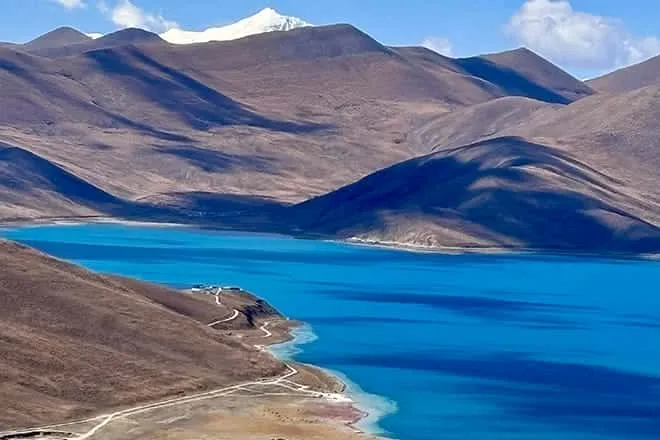
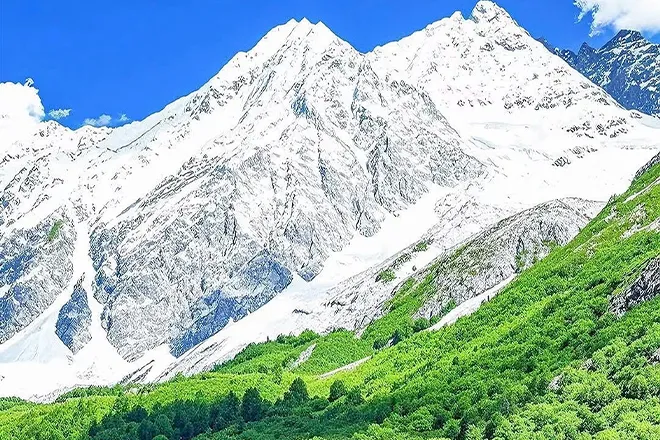
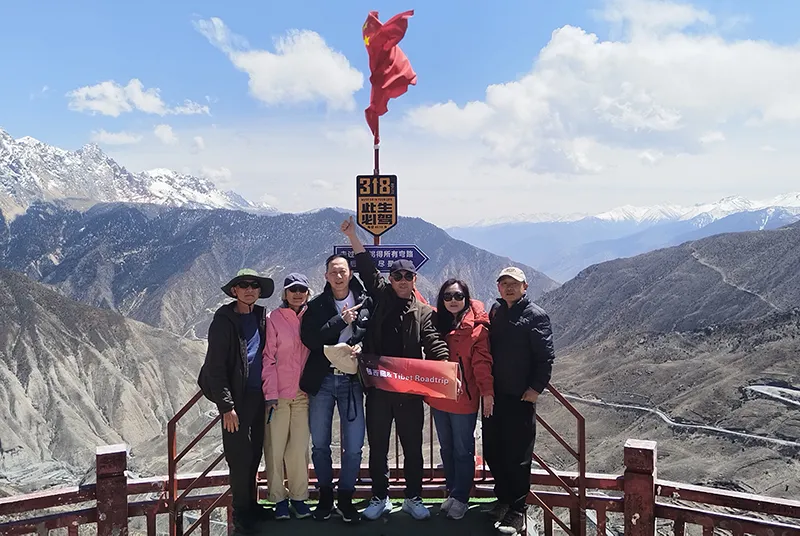
Tibet, often called the “Roof of the World,” offers a road-trip experience that is difficult to find anywhere else. Here, the journey is just as important as the destination. One of the biggest attractions is the dramatic change in scenery along the road. Starting from Chengdu and following the G318 Sichuan-Tibet Highway, you gradually climb from the green valleys of western Sichuan onto the Tibetan Plateau. Along the way, the landscape transforms from forests and deep river valleys to snow-capped mountains, glaciers, turquoise lakes, vast grasslands, and high-altitude passes.
 |
The road itself is part of the adventure. The Chengdu-Lhasa section of G318 is one of China’s most famous scenic road-trip routes, crossing spectacular mountain passes and remote valleys before reaching Lhasa. Driving through these landscapes gives you the chance to experience the gradual transformation of the plateau in a way that flying simply cannot. And G318 is only the beginning. You can continue toward Mount Everest and the Himalayas, or venture farther west into Ngari (Ali) for one of the most remote road trips in Tibet. Each route offers a different experience, from dramatic mountain scenery and sacred lakes to vast wilderness and traditional Tibetan communities.
But a Tibet road trip is very different from driving through a U.S. national park or taking a classic American highway road trip. High altitude, changing weather, remote roads, and special travel regulations mean that more preparation is required. Understanding these differences is the key to planning a safe and rewarding Tibet self-drive adventure.
What Makes Tibet Self-Drive Different?
Before planning your route, it is important to understand what a “self-drive tour” means in Tibet. For American travelers, it is not the same as renting a car in the United States and driving independently wherever you want.
Foreign travelers must follow China’s regulations for travel in Tibet and travel with arrangements made through a licensed Tibet travel agency. The agency handles the required permits, registers the itinerary, and provides the necessary travel and driving support. Where self-driving is permitted, you can take the wheel yourself and experience the journey from the driver’s seat, while a guide accompanies the trip as required.
In other words, you still get the freedom and experience of driving through the Tibetan Plateau, but with the permits, local support, and professional assistance needed for a foreign traveler to complete the journey legally and safely. Once you understand this difference, planning a Tibet self-drive tour becomes much easier. The main things to consider are your documents and permits, vehicle, route, travel dates, itinerary, and high-altitude preparation.
1.Required Documents and Permits
For U.S. travelers, getting the required documents in order is one of the most important steps when planning a Tibet self-drive tour. The exact permits you need depend on your route, so it is best to work with a licensed Tibet travel agency from the beginning.
 |
- Passport
Your passport should be valid for the duration required for your China visa and Tibet travel arrangements, with sufficient blank pages for visa and entry requirements. Make sure your passport details are consistent across all travel documents.
- Chinese Visa
Most U.S. travelers visiting Tibet will need a valid Chinese visa unless they qualify for a specific visa-free or transit policy. A Chinese tourist visa (L visa) is commonly used for leisure travel. Because visa policies can change, check the latest requirements before submitting your application.
- Tibet Travel Permit
The Tibet Travel Permit (TTP) is required for foreign travelers entering Tibet. It is arranged through a licensed Tibet travel agency rather than applied for independently by the traveler. Your agency will submit the required documents and itinerary information and arrange the permit before you enter Tibet. Keep the original permit with you when traveling, as it may be checked when entering Tibet or at checkpoints along the route.
- Additional Permits for Restricted Areas
If your route includes areas such as Mount Everest, Mount Kailash, or Ngari (Ali), additional permits or travel documents may be required. Requirements vary depending on the destination and can change over time. Your Tibet travel agency will determine which permits are needed for your itinerary and arrange them as part of the trip preparation.
- Chinese Temporary Driving Permit
If you plan to drive the vehicle yourself, you will also need the appropriate Chinese driving authorization. A U.S. driver’s license alone cannot be used as a substitute for a Chinese driving license. Your travel agency can assist with the application process and explain what documents are required based on your driving experience and itinerary.
The good news is that you do not need to handle every permit yourself. Once you choose a qualified Tibet travel agency, they can coordinate the Tibet Travel Permit, additional route-specific permits, driving arrangements, and other local procedures for you. Your main job is to provide accurate documents, choose your route, and leave enough time for the paperwork to be completed.
2.Choosing the Right Vehicle
The right vehicle can make a big difference on a Tibet road trip. Your choice should depend on your route, group size, luggage, and how much of the journey you want to spend on challenging mountain roads. You do not necessarily need a large off-road vehicle for every Tibet itinerary. For routes with mostly paved roads and a focus on comfort, a spacious MPV can be a practical choice. If you plan to explore more remote areas, however, a capable SUV with higher ground clearance and stronger off-road performance is a better option. Here are some of the vehicles available for Tibet self-drive tours:
- Voyah Dreamer
The Voyah Dreamer is a spacious 7-seat MPV designed with comfort in mind. It is a good choice for families or small groups who want more passenger and luggage space during long driving days.
 |
- Buick GL8
The Buick GL8 is another comfortable MPV option for travelers who prefer a spacious cabin and a relaxed driving experience. Available powertrains include a 2.0T 48V mild-hybrid version and a 1.5T plug-in hybrid version.
 |
- Tank 300
If driving itself is one of the highlights of your Tibet adventure, the Tank 300 is the most adventure-oriented option among these vehicles. This body-on-frame SUV offers higher ground clearance and strong off-road capability, making it better suited to demanding mountain roads and more remote routes. Depending on the version, it is available with a 2.0T petrol engine, 2.4T diesel engine, or 2.0T Hi4-T plug-in hybrid system.
 |
Can You Bring Your Own Car?
Yes, experienced travelers may choose to bring their own vehicles into China, but they will still need to work with a licensed travel agency to complete the required procedures. Unlike a typical road trip in the United States, foreign visitors cannot simply drive into Tibet and travel independently to any destination they choose. Bringing a foreign vehicle into Tibet involves customs clearance, vehicle registration, insurance, travel filing, and other formalities, making the process considerably more complicated than arranging a vehicle locally.
For first-time American travelers planning a self-drive tour in Tibet, the easier option is to use a compliant, properly registered vehicle arranged by a licensed Tibet travel agency. The agency can also assist with the necessary driving permits, insurance, emergency equipment, and on-road support. This allows you to enjoy the freedom of driving across the Tibetan Plateau without having to navigate China’s vehicle and Tibet travel regulations on your own.
Once you have chosen the right vehicle, the next important question is: which route should you drive?
3.Choosing Your Tibet Self-Drive Route
Tibet is much larger than it may appear on a map, and distances between major destinations can be long. When planning a self-drive trip, do not focus only on the places you want to visit. You also need to allow enough time for driving, altitude acclimatization, sightseeing, and unexpected changes in road or weather conditions.
For most travelers, we recommend allowing at least 8 days for a Tibet self-drive trip. If you want to experience the legendary G318 Sichuan-Tibet Highway or explore remote western Tibet, a longer itinerary is strongly recommended. Here are three popular options, depending on how much time you have and what kind of road trip you are looking for.
 |
If this is your first Tibet road trip, the 12-day G318 route is one of the best choices. It gives you enough time to experience one of China’s most famous scenic highways without having to rush through the journey. Starting from Chengdu, you gradually climb from the Sichuan Basin toward the Tibetan Plateau, passing snow-covered mountains, high-altitude grasslands, deep valleys, glaciers, forests, and Tibetan villages before reaching Lhasa.
The route is also a good introduction to high-altitude driving because the elevation generally increases gradually compared with flying directly into Lhasa.
 |
If you have less time but want to see some of Tibet’s most iconic landscapes, an 8-day Lhasa-Everest-Namtso road trip is a strong option. The route combines three major experiences: exploring Lhasa, seeing Mount Everest from the Tibetan side, and visiting Namtso, one of Tibet’s most famous high-altitude lakes.
Compared with the G318 route, you avoid the long drive from Sichuan into Tibet, giving you more time to focus on Tibet’s cultural and Himalayan landscapes. However, this route involves significant altitude, particularly around Everest and Namtso. Allow enough time for acclimatization and avoid planning long or demanding driving days immediately after arriving in Lhasa.
For experienced road-trippers looking for a more remote and adventurous journey, the 14-day Ali Grand Loop takes you deep into western Tibet. This is a very different experience from the G318. The route passes through vast high-altitude wilderness, sacred lakes, snow-covered mountains, remote settlements, and some of the most dramatic landscapes in Tibet.
 |
Much of the journey takes place at elevations above 4,000 meters, with long driving distances and fewer services along the way. Weather and road conditions can also have a greater impact on the itinerary. Additional permits are required for many areas in western Tibet, so this route requires more advance planning and should be arranged through an experienced Tibet travel agency.
For a self-drive trip in Tibet, more time usually means a better experience. The goal is not to cover as many miles as possible, but to have enough time to enjoy the road, adapt to the altitude, and experience Tibet without constantly watching the clock.
4.Best Time for a Tibet Road Trip
Tibet can be visited throughout the year, but the best time for a self-drive trip depends on the route, road conditions, weather, and the type of scenery you want to experience. For most first-time road trippers, May to June and September to October offer a good balance of comfortable driving conditions, clear views, and manageable tourist numbers.
- May-June: Best Overall for a Road Trip
Late spring and early summer bring greener valleys, blooming grasslands, and generally stable road conditions. Snow on many mountain passes begins to melt, while the main rainy season has not yet fully arrived. This is a particularly good period for travelers following the G318 Sichuan-Tibet Highway, with comfortable daytime temperatures in many lower-altitude areas and dramatic snow-capped mountains still visible in the distance.
- July-August: Green Landscapes and Summer Scenery
Summer brings Tibet’s greenest landscapes. Grasslands are lush, wildflowers are in bloom, and mountain scenery can be especially vibrant. However, this is also the main rainy season in many parts of the region. Heavy rain can occasionally cause landslides, rockfalls, traffic controls, or temporary road closures, particularly along mountain routes. If you travel during this period, allow extra flexibility in your itinerary and stay in close contact with your travel agency about weather and road conditions.
 |
- September-October: Best for Clear Views and Photography
As the rainy season begins to ease, September and October often bring clearer skies and excellent visibility. Autumn colors appear in many valleys and forests, creating some of the most photogenic landscapes of the year. For a road trip, this combination of clearer weather, colorful scenery, and generally favorable road conditions makes early autumn an excellent choice.
- November-April: A Quieter Winter Road Trip
Winter is the quietest travel season in Tibet. The air is often dry and clear, tourist numbers are lower, and popular attractions can feel much less crowded. However, winter driving requires more preparation. Snow and ice can affect high mountain passes, temperatures can fall well below freezing at night, and some remote roads or attractions may become inaccessible depending on weather conditions. If you choose a winter road trip, your itinerary should remain flexible and your vehicle should be properly equipped for cold and potentially icy conditions.
 |
5.What to Pack and How to Prepare for a Tibet Road Trip
A Tibet road trip requires more preparation than a typical road trip in the United States. You may travel through several climate zones in a single day, spend hours at high altitude, and encounter remote sections where shops and services are limited. Packing smartly and preparing for the altitude can make the journey much more comfortable.
- Layered clothing
Temperatures can change dramatically between valleys, mountain passes, and high-altitude areas. Bring a warm base layer, fleece or down jacket, waterproof outer layer, comfortable trousers, and a lightweight jacket for warmer areas.
- Sun protection
UV exposure is particularly strong at high altitude. Bring high-SPF sunscreen, sunglasses with UV protection, a hat, and lip balm with sun protection.
- Personal medication and basic supplies
Bring any prescription medication you normally use, along with basic travel supplies. If you take medication for altitude-related symptoms, consult a doctor before your trip rather than relying solely on over-the-counter products.
- Water and snacks
Carry a reusable water bottle and some high-energy snacks for long driving days. Food and shops may be limited on remote sections of the route.
- Navigation and communication
Mobile coverage can be limited in remote areas. Download offline maps before departure and keep your phone, power banks, and other essential devices charged. Your travel agency should also have appropriate communication and emergency arrangements for remote routes.
- Travel documents
Keep your passport, visa, permits, driving documents, insurance information, and important emergency contacts accessible throughout the journey.
- Preparing for High Altitude
Altitude is one of the biggest differences between a Tibet road trip and a typical road trip in the United States. Parts of your journey can take you above 4,000 meters (13,000 feet), even when your overnight accommodation is at a lower elevation.
Give yourself time to adapt, especially during the first few days. Avoid strenuous exercise, excessive alcohol, and late nights while your body is adjusting. Drink enough fluids, eat regular meals, and maintain a relaxed pace. Do not assume that being physically fit prevents altitude-related illness. Anyone can experience symptoms at high elevation, regardless of age or fitness level.
 |
Common symptoms can include headache, dizziness, fatigue, nausea, and shortness of breath. If symptoms are severe, worsen quickly, or do not improve with rest, inform your guide immediately and seek medical assistance.
Driving in Tibet: Safety Tips and Local Etiquette
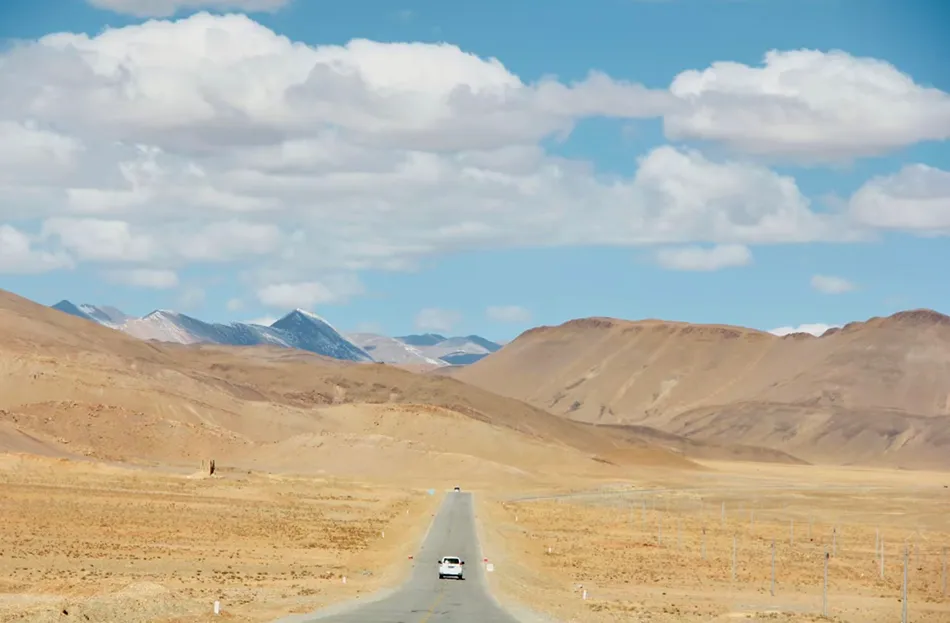
Tibet is not the extreme off-road destination that many first-time visitors imagine. Major routes such as the G318 Sichuan-Tibet Highway and G214 are largely paved, with highways, tunnels, bridges, and well-maintained mountain roads connecting major destinations. The real challenge is not rough terrain, but high altitude, mountain driving, sharp bends, changing weather, and unfamiliar traffic conditions. If you are used to long American road trips, the biggest adjustment is learning to slow down, stay focused, and adapt your driving to the Tibetan Plateau.
- Take Extra Care on Mountain Roads
Even on paved roads, Tibet’s mountainous terrain can make driving demanding. Some sections involve steep climbs, long descents, narrow mountain roads, and repeated hairpin turns. The famous Nujiang 72 Turns on the G318 is a classic example. The road is paved, but its steep slopes and continuous switchbacks require careful handling.
 |
Reduce your speed before entering sharp bends and avoid sudden braking while turning. Keep a safe distance from other vehicles and give yourself enough time to react to vehicles coming from the opposite direction. On long downhill sections, use a lower gear when appropriate and avoid continuously pressing the brake pedal, which can cause the brakes to overheat. Do not try to match the speed of local drivers. If you are unfamiliar with the road, driving more slowly is always the better choice.
- Understand Local Traffic Conditions
Traffic in China may feel different from what American drivers are accustomed to. Pay close attention to traffic signs, lane markings, speed limits, traffic lights, and road signs. Do not assume that other drivers will follow the same driving habits you are familiar with in the United States. At checkpoints or other official stops, follow the instructions of local authorities and keep your passport, permits, and driving documents readily available.
- Watch for Animals and Local Traffic
Outside major cities, you may encounter yaks, cattle, sheep, horses, pedestrians, bicycles, motorcycles, and agricultural vehicles sharing the road. Animals may suddenly move onto the road, particularly in grassland areas. Slow down and give them plenty of space. Avoid aggressive honking or sudden steering. If animals are crossing the road, wait patiently until the road is clear.
 |
- Avoid Driving at Night
Night driving is best avoided, especially on unfamiliar mountain roads. Even when the road itself is in good condition, darkness makes it harder to see sharp bends, animals, pedestrians, construction areas, and other potential hazards. Plan your driving so that you can arrive at your accommodation before dark whenever possible.
- Respecting Tibetan Culture Along the Way
A road trip through Tibet takes you through communities, monasteries, sacred landscapes, and religious sites. Treating these places with respect is just as important as driving safely.
- At Monasteries and Religious Sites
Dress appropriately and follow local instructions when visiting monasteries and religious sites. Do not touch religious objects unless you are invited to do so. When walking around stupas, temples, or prayer wheels, follow the customs explained by local staff rather than assuming that the same practices apply everywhere.
- Around Sacred Lakes and Mountains
Many lakes and mountains in Tibet hold deep religious significance. Do not swim, litter, wash clothes, or disturb the surrounding environment. Follow designated paths and local instructions when visiting sacred sites.
- Ask Before Taking Photos
Always ask permission before taking close-up photographs of local residents, monks, or pilgrims. Photography may also be restricted around military facilities, border checkpoints, and other sensitive locations. When in doubt, ask your travel agency before taking a photograph.
- Give Religious Practices Space
During your road trip, you may encounter pilgrims walking, prostrating themselves, turning prayer wheels, or making offerings. Do not interrupt these activities or treat them simply as photo opportunities. Observe respectfully and give people enough space to continue their practices.
Tibet Self-Drive Tour Cost
The cost of a Tibet self-drive tour depends on your travel dates, route, group size, vehicle, accommodation standard, and the services included in your package. Because every trip can be customized, we recommend contacting our travel experts for a personalized quotation based on your preferred route and travel dates. If you cannot find a tour date that matches your schedule, simply contact us. Our travel experts can help arrange a suitable Tibet self-drive itinerary and provide the best available local price.
A typical tour package can include:
- Permits and Travel Documents
Tibet Travel Permit and other required local travel documents for the itinerary, excluding expedited processing fees.
- Vehicle and Local Transportation
A comfortable tourist vehicle appropriate for your group size, with vehicles ranging from 5 to 29 seats depending on the tour arrangement. For self-drive travelers, vehicle arrangements and the required driving documentation can be coordinated by our travel team according to your itinerary.
- Entrance Tickets
Entrance fees for the tourist attractions listed in your itinerary.
- Accommodation
Hotels listed in the itinerary or equivalent three-star hotels. Hotel upgrades are available at an additional cost.
- Meals
Meals specifically listed in your itinerary are included.
- English-Speaking Guide
A knowledgeable English-speaking Tibetan local guide shared within your group. Guides in other languages are available at additional cost upon request.
- Transfers and Local Support
Complimentary transfers between Lhasa Railway Station or Lhasa Gonggar Airport and your downtown hotel, together with trip planning, local coordination, and operational support.
- Insurance and Travel Essentials
Tourist accident insurance, bottled mineral water, portable oxygen, medical oxygen in the vehicle, and other basic travel supplies.
The following expenses are generally not included in the tour price:
- Chinese visa and visa assistance services
- International flights to and from China
- Domestic flights or trains to and from Lhasa
- Single-room supplements
- Meals not listed in the itinerary
- Tips for guides and drivers
- Personal expenses such as laundry, phone calls, snacks, and soft drinks
- Optional activities
- Expedited permit processing fees
- Additional expenses caused by force majeure, including natural disasters, traffic controls, visa delays, flight delays, or cancellations
Tips are not mandatory, but if you are satisfied with your guide and driver’s service, a tip of around US$7 (RMB 50) per person per day, shared between the guide and driver, is appreciated. When comparing Tibet self-drive tours, the cheapest advertised price is not necessarily the best value. A properly organized foreigner-friendly Tibet tour may include permits, transportation, accommodation, entrance tickets, guide services, insurance, oxygen supplies, and local operational support. These services can make a significant difference to both the convenience and reliability of your trip.
For an accurate price, contact our travel experts with your preferred travel dates, group size, route, and vehicle preference. We can then recommend a suitable self-drive package and provide a detailed quotation.
Is Tibet the Right Road Trip for You?
If you love the freedom of an American road trip, Tibet offers a completely different kind of driving adventure. You will not find the familiar interstate highways, roadside diners, or national park pullouts of a U.S. road trip. Instead, you will drive through some of the highest and most remote landscapes on Earth, cross mountain passes above 5,000 meters, pass turquoise lakes and glaciers, and watch the scenery change dramatically from one valley to the next.
But Tibet also requires more preparation. Foreign travelers need to arrange the appropriate permits and travel services, choose a suitable vehicle, plan their route carefully, and allow enough time for altitude acclimatization. Weather and road conditions can also change quickly, so flexibility is an essential part of the journey.
That is what makes a Tibet road trip different. You still have the freedom of being behind the wheel, but you also have the support of local professionals who understand the roads, regulations, weather, and conditions on the Tibetan Plateau. For first-time visitors, the G318 Chengdu-Lhasa route is an excellent introduction. Travelers looking for Himalayan scenery can extend their journey toward Everest, while experienced adventurers can venture farther into western Tibet and the Ali region.
So, if your idea of a great road trip is not simply getting from one destination to another, but enjoying the road itself, Tibet may be the adventure you have been looking for. Plan carefully, drive patiently, respect the land and its people—and let the road across the Roof of the World become part of the experience.
Ask a Quick Question & Free Enquiry

If you have a WhatsApp, please feel free to scan our WhatsApp code.